Creatine Monohydrate: What It Is, What the Research Shows and How It Compares to Other Forms
 Gabriel SánchezPublished
- What creatine monohydrate is
- How it works
- What the research shows
- What the research doesn't show
- Loading or not: what studies used
- Creatine monohydrate vs other forms
- Purity, Creapure and third-party testing
- When to take creatine monohydrate
- Is creatine monohydrate safe?
- Creatine monohydrate side effects
- Creatine monohydrate for women, over 40 and vegetarians
- Does creatine monohydrate expire?
- Common myths
- Every creatine guide on this blog

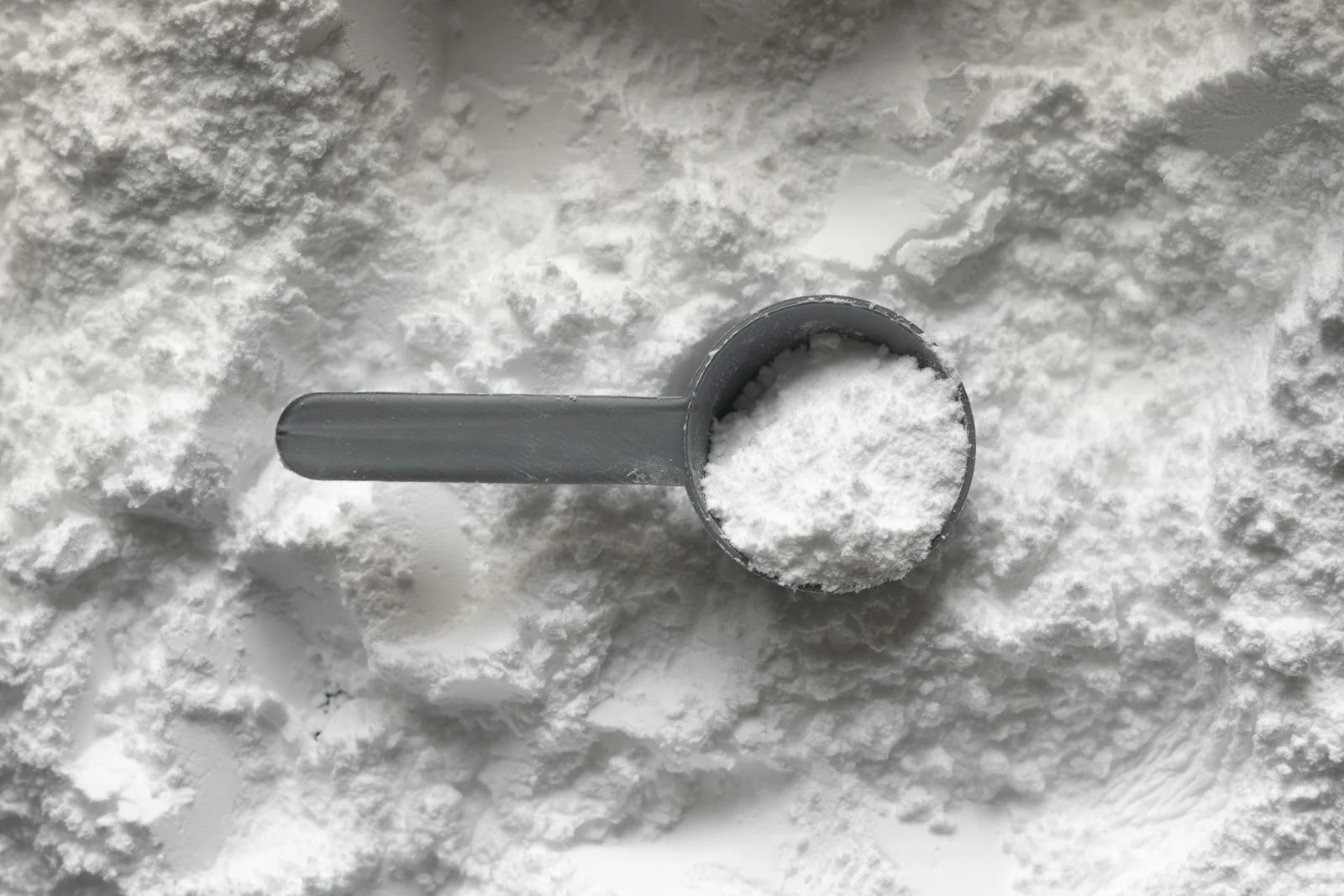
Creatine monohydrate is creatine bound to one molecule of water, sold as a plain white powder, and it is the form used in most creatine research. Studies link it to more strength, power and muscle mass when people train, and reviews by the International Society of Sports Nutrition (ISSN) conclude that no other form has been shown to raise muscle creatine more. This guide covers what it is, what the studies found and didn't, how the other forms compare, and how to judge a tub before you buy it.
What creatine monohydrate is
Creatine is a compound your body makes and also gets from food. The liver and kidneys build it from two amino acids, arginine and glycine, and red meat and seafood supply the rest. About 95% of the body's creatine sits in skeletal muscle, with small amounts in the brain and testes (Kreider et al., 2017).
Food doesn't provide much. A pound of uncooked beef or salmon has about 1 to 2 g (Kreider et al., 2017), and a 6 oz serving of meat about 0.7 g (Antonio et al., 2021).
"Monohydrate" describes the crystal. Creatine crystallizes from water holding one water molecule per creatine molecule, so the powder is 87.9% creatine by weight. Drying it at about 100 °C removes that water and gives anhydrous creatine, which is 100% creatine (Antonio et al., 2021). Every other form on the shelf is creatine attached to something else.
How it works
About two thirds of the creatine in muscle is stored as phosphocreatine (Kreider et al., 2017). Muscle uses phosphocreatine to rebuild ATP, the molecule that powers contraction, during short and hard efforts such as a sprint or a heavy set. Raising those stores is why creatine is studied mostly for short, intense exercise.
On a normal diet with 1 to 2 g of creatine a day, muscle stores are about 60 to 80% full. Supplementing raises muscle creatine and phosphocreatine by roughly 20 to 40% (Kreider et al., 2017). Absorption into the blood is nearly 100% (Kreider et al., 2017), and the 2021 review puts it at about 99% of creatine monohydrate either taken up by tissue or passed in urine (Antonio et al., 2021).
What the research shows
The 2021 ISSN review summarizes the main findings (Antonio et al., 2021):
- Short-term loading raised muscle creatine by 20 to 40% and exercise performance capacity by 5 to 10%.
- Taken during training for 4 to 12 weeks, creatine monohydrate was linked to larger gains in muscle mass, strength and exercise capacity.
In older adults, the position stand cites a meta-analysis of 357 people with an average age of 64 who did about 12.6 weeks of resistance training. Those who took creatine gained more muscle mass, strength and functional capacity than those who trained alone (Kreider et al., 2017). Vegetarians start with lower muscle creatine and may see bigger increases in it (Kreider et al., 2017).
Research on the brain, mood and attention is a separate and smaller body of work. What it does and doesn't show is in creatine for anxiety and ADHD.
What the research doesn't show
The findings come with limits that marketing tends to drop:
- Not everyone responds the same way. Muscle has an upper limit of about 160 mmol of creatine per kg of dry muscle (Kreider et al., 2017), so people who already start high have less room to fill.
- Most muscle and strength results come from studies where people also trained. What happens without training is covered in creatine without working out, and the fat question in creatine for fat loss.
- Much of the research is in young, healthy men. Evidence in children and teenagers is limited, and pregnancy is mostly a research question.
- Several authors of the main reviews disclose ties to creatine manufacturers. The 2021 review lists authors who sit on the scientific advisory board of AlzChem, a company that makes creatine monohydrate.
None of this cancels the findings. It narrows who they clearly apply to.
Loading or not: what studies used
Researchers used two routes to fill muscle. The ISSN position stand describes a loading phase of 5 g four times a day, or about 0.3 g per kg of body weight a day, for 5 to 7 days, followed by 3 to 5 g a day; or 3 g a day for 28 days without loading (Kreider et al., 2017).
The classic comparison is from 1996. Men who took 20 g a day for six days raised muscle creatine by about 20%. Men who took 3 g a day reached a similar 20% after 28 days (Hultman et al., 1996). Loading only changed the speed.
These are study protocols, not advice. The full breakdown, including per-kg amounts and why more isn't better, is in how much creatine per day.
Creatine monohydrate vs other forms
Over the years, companies have launched new forms of creatine claiming better absorption, fewer side effects or smaller servings. A 2011 review of these newer forms found little to no evidence that any of them is more effective or safer than monohydrate (Jäger et al., 2011). The ISSN position stand reached the same conclusion for creatine citrate, creatine serum, ethyl ester, buffered forms and nitrate (Kreider et al., 2017).
Form | What it is | Head-to-head evidence | Practical notes | What studies support |
|---|---|---|---|---|
Creatine monohydrate powder | Creatine plus one water molecule, 87.9% creatine | The reference form in most trials | Dissolves poorly in cold water; servings above 10 g linked to diarrhea | Best-studied form |
Micronized monohydrate | The same compound, milled finer | Same molecule as monohydrate | Mixes more easily; solubility does not change uptake | Same as monohydrate |
Creapure | A brand of monohydrate made by AlzChem in Germany | German-made monohydrate is what most research used | Same as monohydrate | Same compound, known manufacturer |
Creatine HCl | Creatine bound to hydrochloric acid | 8-week trial: no benefit over monohydrate | More soluble in water | No advantage shown |
Creatine ethyl ester | Creatine with an ethyl group attached | 7-week trial: less effective at raising serum and muscle creatine | Raised blood creatinine more | Worse than monohydrate |
Buffered (Kre-Alkalyn) | Creatine at a raised pH | 28-day trial: no extra muscle creatine, strength or tolerance | No fewer side effects found | No advantage shown |
Creatine nitrate | Creatine bound to nitrate | Not shown to raise creatine retention more | Not compared directly | No advantage shown |
Magnesium creatine chelate | Creatine bound to magnesium | 10-day trial: similar performance to plain creatine | Not compared directly | No advantage shown |
Liquid creatine, creatine serum | Creatine in a ready-to-drink liquid | Breaks down to creatinine in solution; tiny amounts in drinks | Easy to drink | Not supported |
Gummies | Creatine in a chewable sweet | One trial used gummies tested for content; in one lab check, half of 12 brands were under-dosed | Easy to take | Only as good as the label is accurate |
Capsules and tablets | Usually monohydrate in a capsule or pressed tablet | Same compound as the powder | No mixing; several units per serving | Same as monohydrate if the label is accurate |
Micronized creatine and Creapure
Micronized creatine is creatine monohydrate ground into smaller particles so it stirs into water more easily. Creatine monohydrate dissolves at about 14 g per litre at 20 °C, which is why early studies served it in hot tea. The 2021 review notes that solubility has no influence on uptake into tissue (Antonio et al., 2021). Micronizing makes a nicer drink, not a different supplement.
Creapure is the brand name of creatine monohydrate made by AlzChem in Trostberg, Germany. The 2021 review says German-made monohydrate is what most of the safety and efficacy research used (Antonio et al., 2021), and Creapure was the monohydrate in the buffered creatine trial below (Jagim et al., 2012). The chemistry is the same as any monohydrate; what you are paying for is a known manufacturer, which matters for purity (see the next section).
Creatine HCl
Creatine hydrochloride is sold on the idea that it dissolves better in water, so a smaller serving does the same job. In an 8-week trial, 40 people aged 18 to 25 did resistance training with HCl at 0.03 g per kg a day, monohydrate with or without a loading phase, or a placebo. All creatine groups gained more strength and muscle than placebo, and HCl showed no benefit over monohydrate (Eghbali et al., 2024). It was one small trial, but it is the kind of direct comparison the marketing claims would need.
Creatine ethyl ester
Creatine ethyl ester (CEE) was marketed as better absorbed. In a 7-week trial with 30 untrained men, blood creatine was lower with CEE than with monohydrate, blood creatinine rose more, and the authors concluded CEE was not as effective at raising blood and muscle creatine or at improving body composition, strength and power (Spillane et al., 2009).
Buffered creatine (Kre-Alkalyn)
Buffered creatine has a raised pH and is sold as gentler and effective at smaller servings. A 28-day trial in 36 resistance-trained people compared it at the manufacturer's suggested 1.5 g a day, at the same loading and maintenance amounts as monohydrate, and with Creapure monohydrate. Neither buffered version produced greater changes in muscle creatine, body composition, strength or anaerobic capacity, and there was no evidence of fewer side effects (Jagim et al., 2012).
Creatine nitrate and magnesium creatine chelate
Creatine nitrate combines creatine with nitrate. The ISSN position stand lists it among the forms that have not been shown to promote greater creatine retention than monohydrate (Kreider et al., 2017).
Magnesium creatine chelate binds creatine to magnesium. In a 10-day trial, 31 weight-trained men took 2.5 g of creatine a day as either plain creatine or the magnesium chelate, or a placebo. Both creatine groups did more work than placebo, and the two forms performed about the same (Selsby et al., 2004).
Liquid creatine and creatine serum
Creatine is stable as a dry powder but not in water. After three days at 25 °C, creatine in solution broke down into creatinine by 4% at pH 5.5, 12% at pH 4.5 and 21% at pH 3.5 (Kreider et al., 2017). The 2021 review adds that efforts to make stable drinks with 3 to 5 g of creatine per serving have failed, and that creatine serums and drinks with micro amounts of 25 to 50 mg have not been shown to raise muscle stores more than monohydrate (Antonio et al., 2021). Mixing powder into a drink just before you drink it is a different situation from buying a liquid that has sat on a shelf.
Creatine gummies
Gummies have a documented quality problem. In 2024 the supplement maker NOW tested 12 creatine gummy brands with high-performance liquid chromatography. Only six met their label claim, and several of the under-dosed products contained large amounts of creatinine, the breakdown product (NutraIngredients-USA, 2024). NOW sells its own creatine, so it is not a neutral party, though it named its test method.
Gummies can work when they contain what the label says. A 2026 trial gave female beach volleyball players creatine monohydrate gummies, independently verified to contain their labeled amount, for 10 weeks, and jump height and change-of-direction speed improved against a control group (Pereira et al., 2026). The gummies were donated by the brand and authors disclosed advisory roles with creatine companies. If you prefer gummies, a third-party certificate matters more than for powder.
Capsules and tablets vs powder
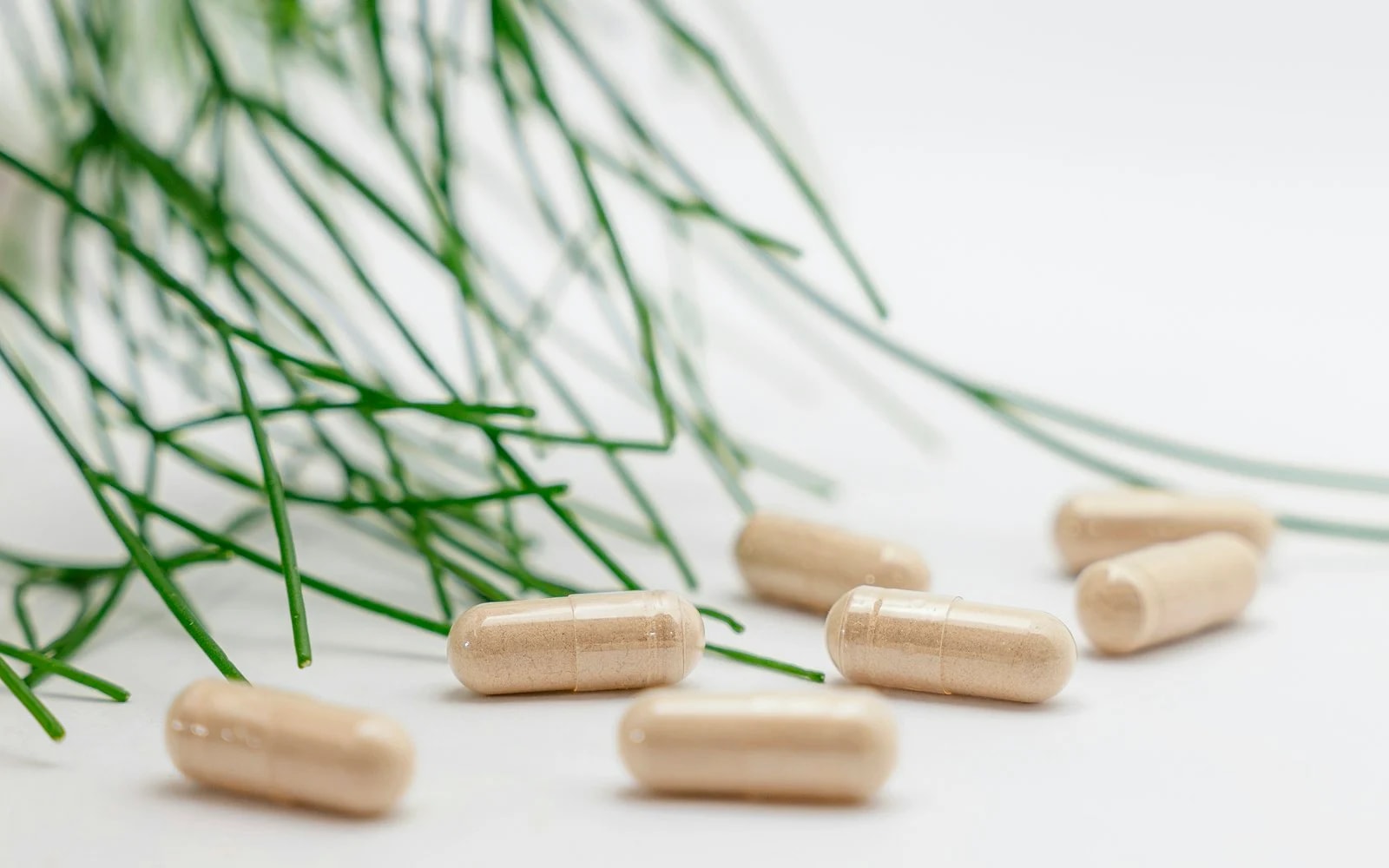
Capsules and tablets usually contain creatine monohydrate, so the research on the powder applies if the label is accurate. The practical difference is volume: a capsule holds far less than a scoop, so check how many capsules make up one serving and compare the price per gram. The creatine cost calculator does that comparison for any product. The 2021 review describes monohydrate itself as low cost (Antonio et al., 2021).
Purity, Creapure and third-party testing
In the US, the FDA has no authority to approve dietary supplements before they are sold. Manufacturers are responsible for making sure their products are safe and correctly labeled (FDA). So the quality of a tub depends on who made it.
According to the 2021 review, creatine monohydrate made in Germany by one process has been reported to be 99.9% pure with no contaminants. Monohydrate from other sources and production routes, particularly from China, has been found to contain up to 5.4% dicyandiamide, 0.09% dihydrotriazine, 1.3% creatinine and higher levels of heavy metals such as mercury and lead (Antonio et al., 2021). Keep the conflict of interest in mind: several of that review's authors advise AlzChem, the German maker of Creapure.
A third-party seal is the most practical check. NSF says its Certified for Sport mark means the label matches what is in the product, there are no unsafe levels of contaminants, the product is free of 290 substances banned by major athletic organizations, and it is made in an audited facility (NSF).
Before buying, check four things:
- The ingredient list says creatine monohydrate and nothing you didn't ask for.
- A third-party certification you can look up, such as NSF Certified for Sport.
- Grams of creatine per serving, not just scoops.
- Price per gram, which you can compare in the creatine cost calculator.
When to take creatine monohydrate
The small trials that compared taking creatine before or after training found similar results, with a few leaning slightly toward after. The details are in creatine before or after a workout. If evening suits you better, see creatine at night; if you take it with coffee, see creatine and coffee. For days off, creatine on rest days covers why the studies kept people taking it daily.
Is creatine monohydrate safe?
The ISSN position stand concludes that short- and long-term supplementation, in studies of up to 30 g a day for 5 years, has been safe and well tolerated in healthy people and in several patient groups (Kreider et al., 2017). In one study designed around safety, American college football players who took creatine for 21 months showed no clinically significant differences from non-users in markers of kidney function, liver and muscle enzymes, blood lipids, blood cells or urine.
The kidney question comes up most. Creatine can raise creatinine, the blood marker used to estimate kidney function, without the kidneys working any worse. The studies and their limits are in creatine and kidneys.
The same caveats as above apply: most participants were healthy adults, and the position stand notes that people with existing kidney disease should talk to their physician. Ask your doctor before starting if you have kidney disease, are pregnant or breastfeeding, take regular medication or are under 18.
Creatine monohydrate side effects
- Weight gain: the position stand calls it the only consistently reported side effect. Loading caused short-term fluid retention of about 0.5 to 1.0 L, roughly in line with the weight gained (Kreider et al., 2017). More in does creatine make you gain weight.
- Stomach upset: the 2021 review notes that servings above 10 g at once may cause diarrhea (Antonio et al., 2021).
- Blood test changes: higher creatinine, as above. Tell your doctor you take it.
- Hair loss: one study in rugby players found a rise in DHT, a hormone linked to some hair loss, but the values stayed within normal limits and no study has reported hair loss in people taking creatine (Antonio et al., 2021). A 2025 trial in 38 men that measured hair directly found no difference in hair count, density or thickness after 12 weeks of creatine compared with placebo (Lak et al., 2025). The full story is in does creatine cause hair loss.
The position stand also found no evidence that creatine increases cramping, dehydration or injuries (Kreider et al., 2017).
Creatine monohydrate for women, over 40 and vegetarians
Studies in women used the same monohydrate and largely the same protocols as studies in men. The research is collected in how much creatine should a woman take. For midlife and later, including the bone and muscle trials in postmenopausal women, see creatine for women over 40.
Older adults appear in the meta-analysis above. Vegetarians and vegans get little creatine from food, start lower, and in studies had larger increases in muscle creatine. Creatine monohydrate is made synthetically, not from animal products, though capsule shells can be gelatin, so check the label.
Does creatine monohydrate expire?
As a dry powder, creatine monohydrate is very stable: the 2021 review describes no signs of breakdown into creatinine over years, even at higher storage temperatures (Antonio et al., 2021). Once mixed with liquid, it starts to break down, so mix it when you are about to drink it. Signs that a tub has gone off, and what the best-before date means, are in does creatine expire.
Common myths
"You have to load"
You don't. A daily amount without loading reached the same muscle level in about four weeks (Hultman et al., 1996).
"More is better"
Muscle has a ceiling, and extra creatine is excreted. Big single servings mostly add stomach trouble.
"Newer forms absorb better"
Monohydrate is already almost fully absorbed, and the ISSN calls claims of better uptake from other forms unfounded (Kreider et al., 2017).
"You need to cycle off"
The position stand found no evidence that muscle creatine falls below its starting level after stopping. More in creatine cycling.
"Missing a day ruins it"
Stores fall slowly. In one study they took about 30 days to drift back to baseline after stopping (Hultman et al., 1996). See what happens if you miss a day of creatine.
"It works straight away"
Without loading, muscle stores take about a month to fill. The timeline is in how long does creatine take to work.


Don't know your amount?
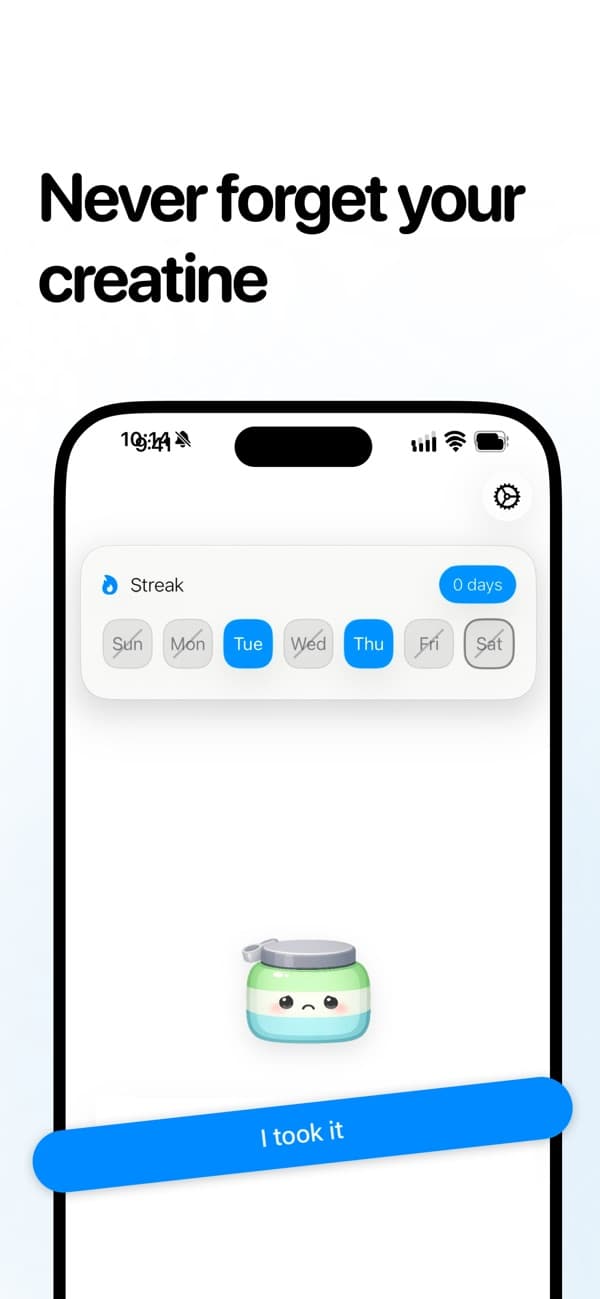
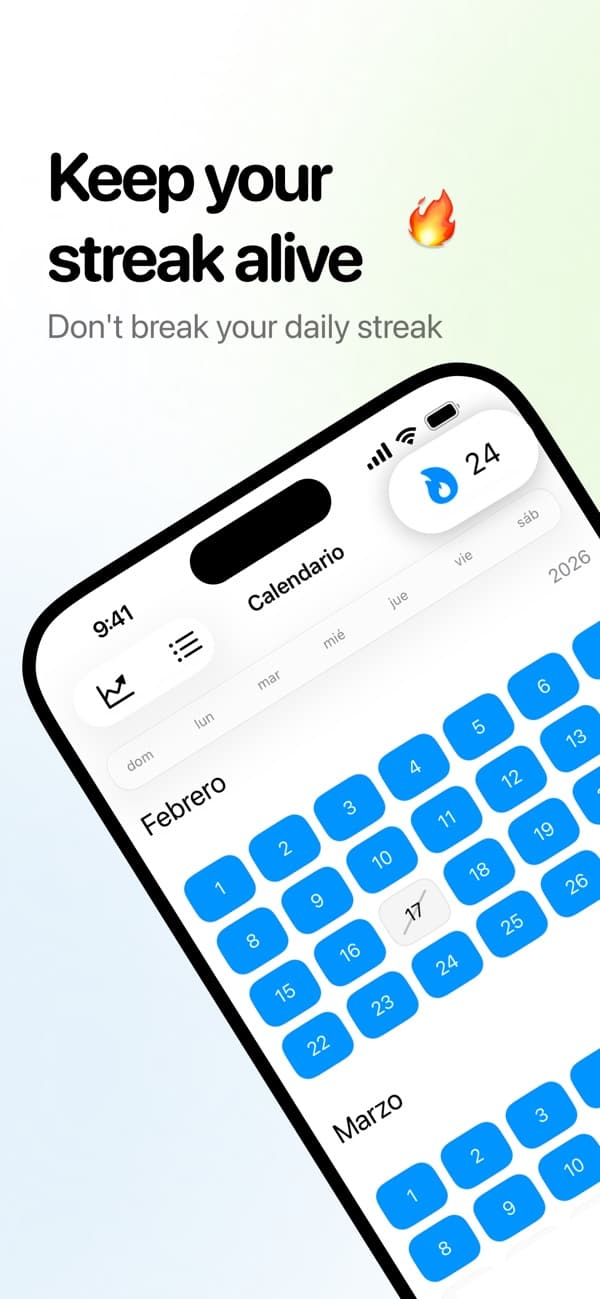
Creatinely suggests a daily amount based on your body weight and reminds you to take it every day. Check that amount with your doctor, especially if you have a health condition.
Every creatine guide on this blog
Amount and timing:
- How much creatine per day
- How much creatine should a woman take
- Creatine before or after a workout
- Creatine at night
- Creatine on rest days
- Creatine and coffee
- Creatine cycling
- How long does creatine take to work
Safety and side effects:
- Creatine and kidneys
- Does creatine cause hair loss
- Does creatine make you gain weight
- Does creatine expire
Who it's for and what it does:
- Creatine for women over 40
- Creatine without working out
- Creatine for fat loss
- Creatine for anxiety and ADHD
Habit and logistics:
- What happens if you miss a day of creatine
- How to remember to take creatine
- How long does a tub of creatine last
- Best creatine tracker apps
Tools:
- Creatine tub calculator: how long a tub lasts and when to reorder.
- Creatine cost calculator: price per gram and per day across products.
- Printable creatine tracker: a sheet to tick off each day.
- Habit formation calculator: how long a new daily habit tends to take.
Frequently asked questions
What does creatine monohydrate do?
It raises the amount of creatine and phosphocreatine stored in muscle, by roughly 20 to 40% in studies. Muscle uses phosphocreatine during short, hard efforts. In trials where people also trained, that was linked to larger gains in strength, power and muscle mass than training alone.
Is creatine monohydrate safe?
The ISSN position stand concludes that it has been safe and well tolerated in studies of healthy people, including some that lasted years. Most of that research is in healthy adults, so anyone with kidney disease, who is pregnant, takes regular medication or is under 18 should ask a doctor first.
Is creatine HCl better than creatine monohydrate?
Studies have not shown that. In an 8-week trial with resistance training, creatine HCl gave no benefit over monohydrate. HCl dissolves more easily in water, but the 2021 ISSN review notes that solubility does not change how much creatine reaches the muscle.
What are the side effects of creatine monohydrate?
The only side effect the ISSN position stand describes as consistently reported is weight gain, much of it water in the first weeks. Large single servings, above 10 g, have been linked to diarrhea. It can also raise creatinine on blood tests without harming the kidneys.
How much creatine monohydrate per day?
This blog does not recommend an amount. Studies most often used 3 to 5 g a day, sometimes after a 5 to 7 day loading phase, and some scaled the amount to body weight. Creatinely suggests a daily amount from your weight, and your doctor or dietitian can confirm it.
Should I take creatine monohydrate before or after a workout?
The small trials that compared the two found similar results, with a few leaning slightly toward after. What the studies have in common is that people took it every day, so most people pick the time they are least likely to forget.

Sources
- Kreider RB et al. (2017). ISSN position stand: safety and efficacy of creatine supplementation in exercise, sport, and medicine. Journal of the International Society of Sports Nutrition 14:18.
- Antonio J et al. (2021). Common questions and misconceptions about creatine supplementation: what does the scientific evidence really show? Journal of the International Society of Sports Nutrition 18:13.
- Jäger R, Purpura M, Shao A, Inoue T, Kreider RB (2011). Analysis of the efficacy, safety, and regulatory status of novel forms of creatine. Amino Acids 40(5):1369–1383.
- Hultman E, Söderlund K, Timmons JA, Cederblad G, Greenhaff PL (1996). Muscle creatine loading in men. Journal of Applied Physiology 81(1):232–237.
- Spillane M et al. (2009). The effects of creatine ethyl ester supplementation combined with heavy resistance training on body composition, muscle performance, and serum and muscle creatine levels. Journal of the International Society of Sports Nutrition 6:6.
- Jagim AR et al. (2012). A buffered form of creatine does not promote greater changes in muscle creatine content, body composition, or training adaptations than creatine monohydrate. Journal of the International Society of Sports Nutrition 9:43.
- Eghbali E, Arazi H, Suzuki K (2024). Supplementing with which form of creatine (hydrochloride or monohydrate) alongside resistance training can have more impacts on anabolic/catabolic hormones, strength and body composition? Physiological Research 73(5):739–753.
- Selsby JT, DiSilvestro RA, Devor ST (2004). Mg2+-creatine chelate and a low-dose creatine supplementation regimen improve exercise performance. Journal of Strength and Conditioning Research 18(2):311–315.
- NutraIngredients-USA (2024). NOW raises red flags after creatine gummy testing.
- Pereira F, Forbes S, Romano V, Christopher P, Santana J, Antonio J (2026). Effects of creatine monohydrate gummies on performance and body composition in female beach volleyball athletes. Journal of Functional Morphology and Kinesiology 11(1):105.
- NSF. What the NSF Certified for Sport mark means.
- Lak M, Forbes SC, Ashtary-Larky D et al. (2025). Does creatine cause hair loss? A 12-week randomized controlled trial. Journal of the International Society of Sports Nutrition 22(sup1):2495229.
- U.S. Food and Drug Administration. Questions and answers on dietary supplements.

About the author
22, software developer and founder based in Madrid.
I'm Gabriel, I'm 22 and I live in Madrid. I write software, build my own products and I'm into maths, sport and fashion. Among other things I make three iPhone apps, Creatinely, LockTy and RepZet, and here I write about training, creatine and the small daily habits that add up. I also build apps and software for B2B clients as an independent developer. If you want to work together, write to me.
This is general information, not medical advice. Talk to a professional about your own situation.
Keep reading
How to Take Creatine: Form, Mixing, Timing and Why Every Day Counts
Choose creatine monohydrate, stir it into a drink you already have and take it at a time you can repeat, rest days included. Mixing, missed days and storage.

How Much Creatine Should a Woman Take? What the Studies Used
There is no separate female dose in the research. The daily amounts and loading protocols studies in women used, and what the ISSN position stand describes.

Should You Take Creatine If You Don't Work Out? What Studies Found Without Training
Without exercise, most studies found creatine does little for muscle, and the brain research is early and mixed. What that means if you're not a gym person.

Does Creatine Make You Gain Weight or Feel Bloated? What Is Water and What Isn't
Creatine can add some water weight, mostly during a high-dose loading week. It is not fat. Here is what studies found, and why bloating is often about the dose.

Creatine for Women Over 40: What the Menopause Research Shows
Most studies in women over 40 paired creatine with strength training. What they found for muscle, bone and brain fog, and where the evidence is still thin.

Does Creatine Cause Hair Loss? What the Studies Actually Measured
The hair loss worry comes from a 2009 study that never measured hair. A 2025 trial that did measure it found no difference. What we know, and what we don't.