Can You Take Creatine at Night? Sleep, Timing and How to Take It
 Gabriel SánchezPublished


Yes, you can take creatine at night. It contains no caffeine, a small trial that tracked sleep with a wrist device found no change in measured sleep, and no study I found showed that evening creatine works worse than morning creatine. What matters is taking it every day, so the best time is the one you will remember.
Why the time of day matters less than you think
Creatine doesn't act like caffeine, where you feel something within the hour. It raises the amount of creatine stored in your muscles, and that store builds over days with a loading phase or weeks without one (Kreider et al., 2017). Once it is full, a daily serving keeps it topped up. Whether that serving lands at 8 a.m. or 9 p.m. makes little difference to a store that changes slowly. How long creatine takes to work has the full timeline.
The timing research that does exist compares before and after training, not morning and night. Those studies found similar results either way, and a 2025 review by creatine researchers concluded that "consistent" intake during a training program is likely the most important variable (Antonio et al., 2025). The details are in creatine before or after a workout.
Does creatine affect sleep?
Plain creatine monohydrate has no caffeine or other stimulant in it, so there is no obvious reason for it to keep you awake.
One trial measured this directly. Fourteen active men took either creatine or a placebo for seven days, then switched, with sleep tracked by a wrist device. Creatine didn't change how long they took to fall asleep, how efficiently they slept or how long they slept in total. On a questionnaire, they rated their sleep quality as better during the creatine week (Ben Maaoui et al., 2025).
That is a small study, in young men, during a high-dose loading week, and it didn't test bedtime timing. It is still more direct evidence than the forum posts claiming creatine ruins sleep.
If you have trouble sleeping after an evening scoop, check the label. Many pre-workout products combine creatine with caffeine, and the caffeine is the more likely cause. In a home sleep study, 400 mg of caffeine taken even 6 hours before bedtime cut measured sleep by more than an hour, and the participants didn't notice it in their own sleep diaries (Drake et al., 2013). That was a high dose in 12 people, but it shows how long caffeine can follow you into the night. Creatine and coffee covers caffeine in more detail.
An upset stomach at night
The other complaint people have about evening creatine is the stomach, not sleep. The best data on this come from a 2008 study of 59 male soccer players who took the same daily amount of creatine for 28 days, either in one serving or split into two, or took a placebo. Diarrhea was reported by 55.6% of the single-serving group, 28.6% of the split group and 35.0% of the placebo group (Ostojic & Ahmetovic, 2008). The split group was no different from placebo.
That study used a large daily amount in young male athletes, and symptoms were self-reported. The pattern is still useful: if a big scoop right before bed bothers you, the size of the single serving may matter more than the hour. Taking it with dinner instead of on an empty stomach is a simple first change, and if you take a large daily amount, ask a professional whether splitting it makes sense for you.
What about the sleep deprivation studies?
You may have seen headlines about creatine at night helping the brain. Those come from lab studies of people kept awake on purpose. In one, people who took a single high dose of creatine during a night without sleep did better on thinking tests and showed changes in brain energy markers compared with a placebo night (Gordji-Nejad et al., 2024).
That setup is a long way from a normal night in your own bed. The 2025 review is clear on this point: there is "no evidence" that creatine improves thinking when people are getting enough sleep (Antonio et al., 2025). Treat it as research on sleep loss, not a reason to move your creatine to bedtime. For more on the brain research, see creatine and anxiety, ADHD and mood.
How to take creatine
Most of what people call "how to take it" comes down to a few points.
- Mix it into water or another drink and drink it soon after. Creatine is stable as a powder but not in liquid, according to the ISSN position stand, so don't prepare it the night before.
- If it won't dissolve in the glass of cold water by your bed, that is normal. A 2022 review reports that about 6 g of creatine dissolves in a litre of water at 4 °C, against 14 g at 20 °C (Kreider, Jäger & Purpura, 2022). Room-temperature water, a warm drink or simply stirring and drinking the grit works.
- Take it with or without food. The ISSN position stand says carbohydrate, or carbohydrate with protein, appears to increase how much creatine muscle takes up, though the effect on performance may not be greater than creatine alone.
- Take it every day, rest days included. Taking creatine on rest days explains why those days count.
- If you forget one day, carry on the next. Missing a day of creatine makes very little difference.
The one question this blog doesn't answer is how much. That depends on you, and it is worth checking with a professional if you have a health condition, take medication or are pregnant.


Not sure how much to take?
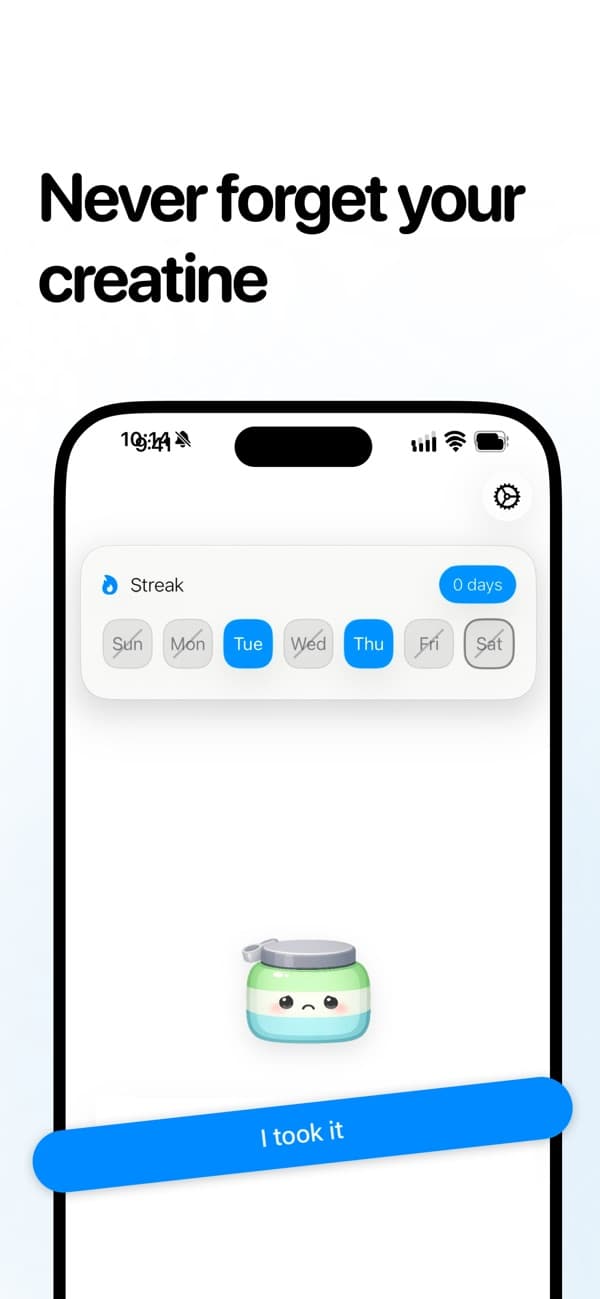
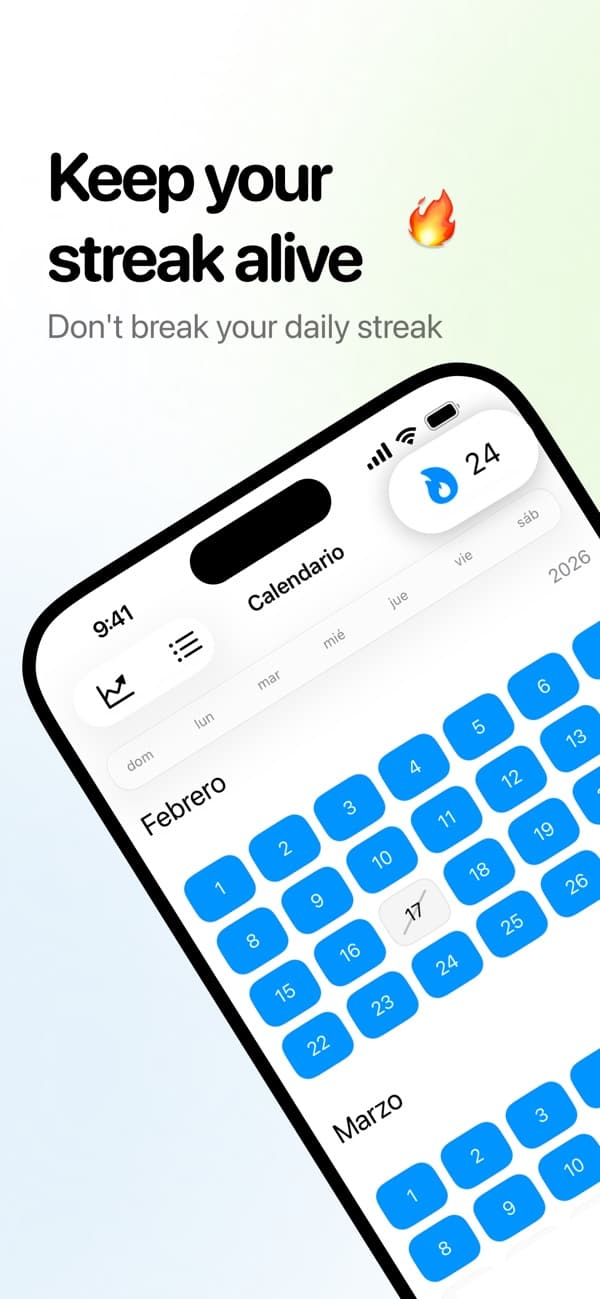
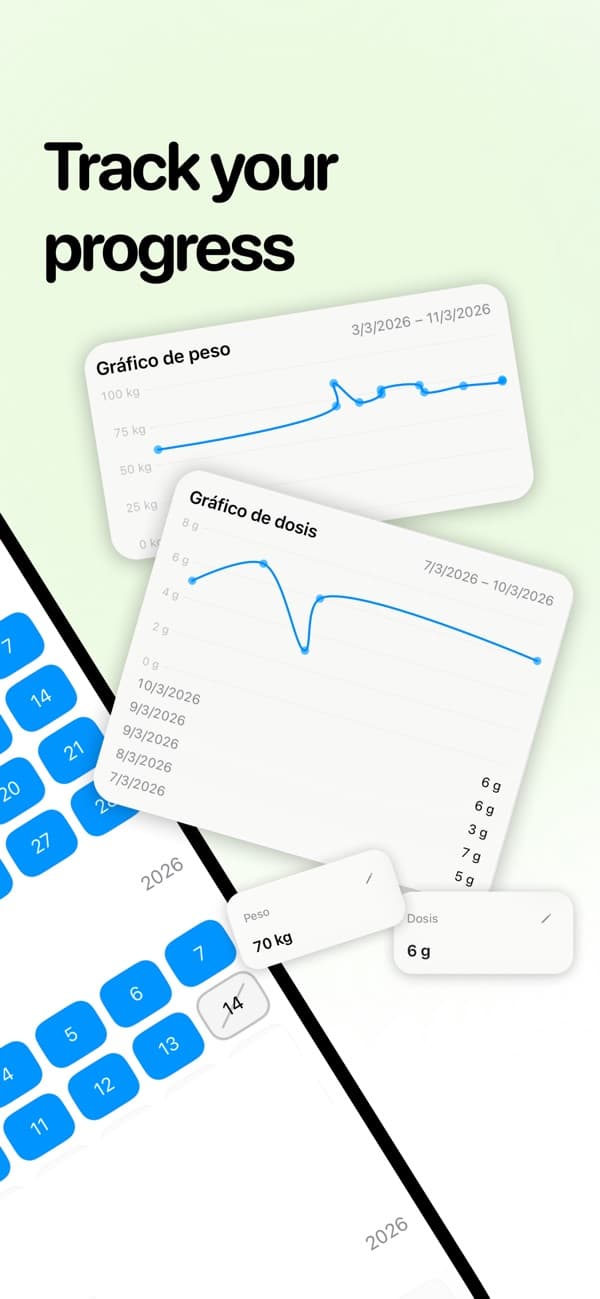
Creatinely suggests a daily amount based on your body weight and reminds you at the time you choose, morning or night. If you have a health condition, check that amount with your doctor.
Morning or night: which is easier to keep?
Both work. The difference is which one fits your days.
Night works well if your evenings are predictable: dinner at the same time, a glass of water by the bed, a nightly routine you never skip. The risk is the evening that goes off script, like a dinner out, a late flight or falling asleep on the couch.
Morning works well if you have a fixed anchor such as your first coffee or breakfast. The risk is the rushed morning when you leave without it.
Pick the anchor you miss least often. If you train in the evening, taking it with dinner covers training days and rest days with the same habit. The habit formation calculator gives a rough idea of how long a new routine takes to feel automatic, and how to remember to take creatine has more ideas.
If night is the time you will stick to, take it at night. The habit matters more than the clock.
Frequently asked questions
Is it OK to take creatine at night?
Yes. No study I found showed that evening creatine works worse than morning creatine. Creatine works by building up a store in your muscles over days to weeks, so the time of day is mostly about what you will remember.
Does creatine keep you awake?
Plain creatine monohydrate contains no caffeine. In a small 2025 trial, a week of high-dose creatine didn't change how long people took to fall asleep, how long they slept or their sleep efficiency. Pre-workout drinks that combine creatine with caffeine are a different story.
What is the best time to take creatine?
Studies comparing before and after training found similar results, and a 2025 review concluded that taking it consistently is likely the most important variable. Pick a time you can repeat on training and rest days.
Should I take creatine with food?
The ISSN position stand says taking creatine with carbohydrate, or carbohydrate and protein, appears to increase how much muscle takes up. It also notes the effect on performance may not be greater than creatine on its own.
Can creatine upset your stomach at night?
It can, mostly with large single servings. In a 2008 study of 59 soccer players, diarrhea was more common when the daily amount was taken in one serving than when it was split in two. If an evening scoop doesn't sit well, taking it with food or at another time may help.
Can I mix creatine the night before and drink it in the morning?
It's better not to. Creatine is stable as a powder but slowly breaks down in liquid, so mix it and drink it soon after.
Sources
- Antonio J et al. (2025). Part II. Common questions and misconceptions about creatine supplementation: what does the scientific evidence really show? Journal of the International Society of Sports Nutrition 22(1):2441760.
- Ben Maaoui K et al. (2025). Effects of creatine monohydrate loading on sleep metrics, physical performance, cognitive function, and recovery in physically active men: a randomized, double-blind, placebo-controlled, crossover trial. Nutrients 17(24):3831.
- Gordji-Nejad A et al. (2024). Single dose creatine improves cognitive performance and induces changes in cerebral high energy phosphates during sleep deprivation. Scientific Reports 14:4937.
- Drake C, Roehrs T, Shambroom J, Roth T (2013). Caffeine effects on sleep taken 0, 3, or 6 hours before going to bed. Journal of Clinical Sleep Medicine 9(11):1195–1200.
- Ostojic SM, Ahmetovic Z (2008). Gastrointestinal distress after creatine supplementation in athletes: are side effects dose dependent? Research in Sports Medicine 16(1):15–22.
- Kreider RB, Jäger R, Purpura M (2022). Bioavailability, efficacy, safety, and regulatory status of creatine and related compounds: a critical review. Nutrients 14(5):1035.
- Kreider RB et al. (2017). ISSN position stand: safety and efficacy of creatine supplementation in exercise, sport, and medicine. Journal of the International Society of Sports Nutrition 14:18.

About the author
22, software developer and founder based in Madrid.
I'm Gabriel, I'm 22 and I live in Madrid. I write software, build my own products and I'm into maths, sport and fashion. Among other things I make three iPhone apps, Creatinely, LockTy and RepZet, and here I write about training, creatine and the small daily habits that add up. I also build apps and software for B2B clients as an independent developer. If you want to work together, write to me.
This is general information, not medical advice. Talk to a professional about your own situation.
Keep reading
Creatine Before or After a Workout? What the Timing Studies Found
Studies comparing creatine before and after training found similar results, a few leaning slightly toward after. What they tested and why timing matters less.
Do You Need to Cycle Creatine? What Happens When You Stop
No study I found shows you need to cycle creatine. Stores take about a month to fall after you stop. What long-term studies measured, and what a break costs.
How Much Creatine Per Day? What the Studies Used and Why Body Weight Matters
The daily amounts creatine studies used, with and without loading, how body weight changes the number, why more is not better, and who should ask a doctor.
Creatine Loading Phase: What the Studies Did and What Skipping It Changes
What a creatine loading phase is, the protocols studies used, how long saturation took with and without it, the side effects reported and what comes after.

How to Take Creatine: Form, Mixing, Timing and Why Every Day Counts
Choose creatine monohydrate, stir it into a drink you already have and take it at a time you can repeat, rest days included. Mixing, missed days and storage.

How Much Creatine Should a Woman Take? What the Studies Used
There is no separate female dose in the research. The daily amounts and loading protocols studies in women used, and what the ISSN position stand describes.