Do creatine gummies work? Every public lab test, brand by brand
Do creatine gummies have the creatine the label says? This page puts every public lab result I could find in one table: 193 results for 126 brands, from NOW Foods, SuppCo, Labdoor, Eurofins tests in the UK and the Brazilian regulator Anvisa. Each row says who tested, when, how much creatine was found and links to the source.
Data checked on October 20, 2026.
The short version
Gummies fail a lot: 18 of 31 gummy results in the table were below their label, several with no creatine at all.
Powders almost always pass in the US and European tests. The powder failures (40 of 161) are mostly cheap brands sold in Brazil.
28 products had less than 1% of the creatine on the label.
A result is for one batch on one date. The same brand can pass one test and fail another.
Creatine is stable as a dry powder, but with water, heat and acidity it slowly turns into creatinine, which the body cannot use as creatine. A gummy has all three. SuppCo measured 7,300 and 10,000 ppm of creatinine in the two gummies that passed, against 46 ppm or less in the powders.
It is also hard to fit much creatine into a small sweet. The gummies SuppCo tested needed two to five pieces to reach the amount on the front of the pack, and some simply had far less than they claim.
A sports certification is not a content test
Informed Sport and NSF Certified for Sport check for substances banned in sport. They are useful for athletes, but they do not always tell you how much creatine is in each serving. Look for a certificate of analysis (COA) that gives the creatine per serving, measured by HPLC, for the lot number printed on your pack.
How to check your own creatine
Plain creatine monohydrate powder has the best record in every test here. If you buy gummies, check that the brand publishes a recent COA from an independent lab for your lot, with creatine and creatinine per serving. A brand that only says “third-party tested” without a document is not telling you much.
Who did the tests
NOW Foods
NOW Foods tested a dozen brands of gummies bought on Amazon in its own lab (2024). NOW sells creatine itself, so it is also a competitor.
SuppCo
SuppCo, a supplement app, sent 6 gummies and 5 powders to an ISO 17025 lab (2025) and published the full report for free.
James Smith / Eurofins
UK fitness coach James Smith paid Eurofins to test 9 gummies sold in the UK (2025) and shared the results.
Labdoor
Labdoor certifies products and publishes each lot it tests. Brands pay for the certification.
ConsumerLab
ConsumerLab has reviewed creatine since 2000. The names of failing products are only for members.
Anvisa
Anvisa is Brazil’s health regulator. Its 2025 check of 41 best-selling creatines and its 2026 action on IDN Labs gummies are official.
Abenutri
Abenutri, a Brazilian supplement industry association, tested hundreds of creatines (2023 and 2024). Some brands took it to court; results under legal dispute are left out here.
LAV Sachsen-Anhalt
LAV Sachsen-Anhalt, a German state food lab, checked 11 creatine samples in 2019: all had the creatine they declared.
Questions
Do creatine gummies actually contain creatine?
Some do and some don’t. In the public tests listed here, 18 of 31 gummy results had less creatine than the label, and several had none at all. Each result applies to the batch that was tested.
Which creatine gummies passed lab tests?
Choose Gummies and Passed in the filters above to see them, with the lab and date of each test. A brand that passed once can fail a later test, so check the date and look for a recent COA for your lot.
Is creatine powder safer than gummies?
In these tests, yes by a wide margin: 121 of 161 powder results passed. The failing powders are mostly low-cost brands sold online in Brazil.
Has a consumer group like Which? tested creatine?
Not that I could find. As of October 2026 there is no public creatine test from Which?, Stiftung Warentest, Öko-Test, OCU, DECO or Proteste. The tests here come from brands, apps, labs, an industry association and the Brazilian regulator.
How this table is built
Only results published with a source are listed, and every row links to it. Percentages are the creatine found divided by the creatine declared on the label.
A result is valid for the batch and date that were tested, not for every pack of that product. Testers have their own interests (NOW and Labdoor’s clients sell supplements, SuppCo runs a ratings app), and they are named so you can judge.
Results under legal dispute and figures I could only see in search snippets are left out. If you are a brand with a newer lab report for the same product, email [email protected] and I will add it.
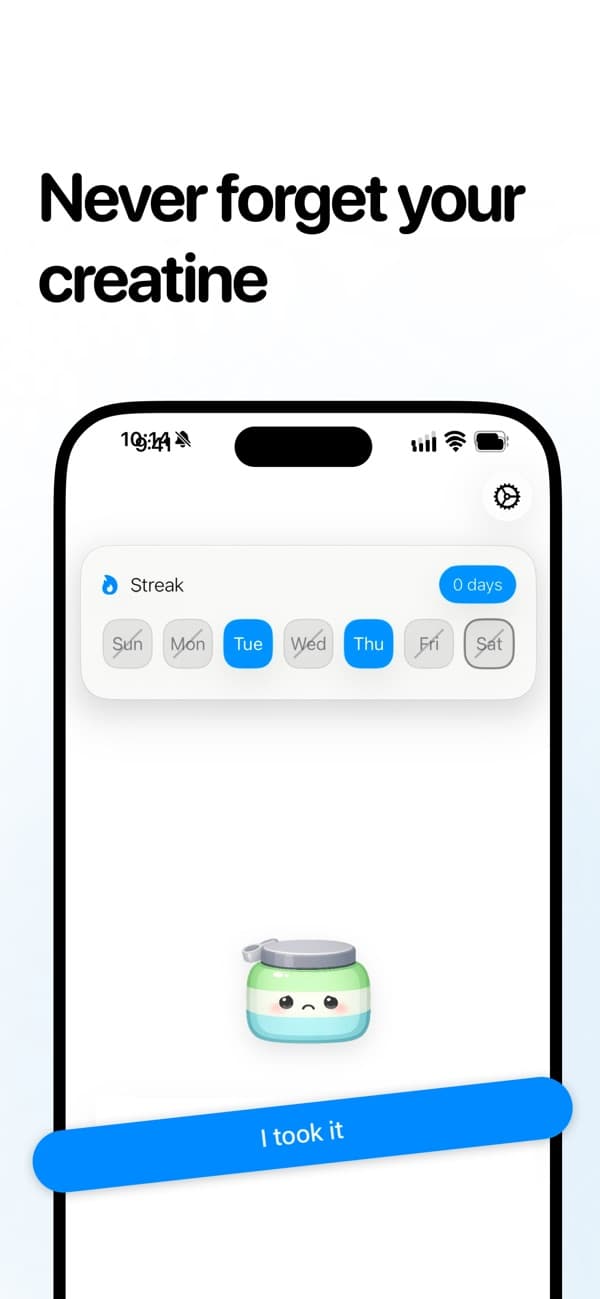
Never forget your creatine
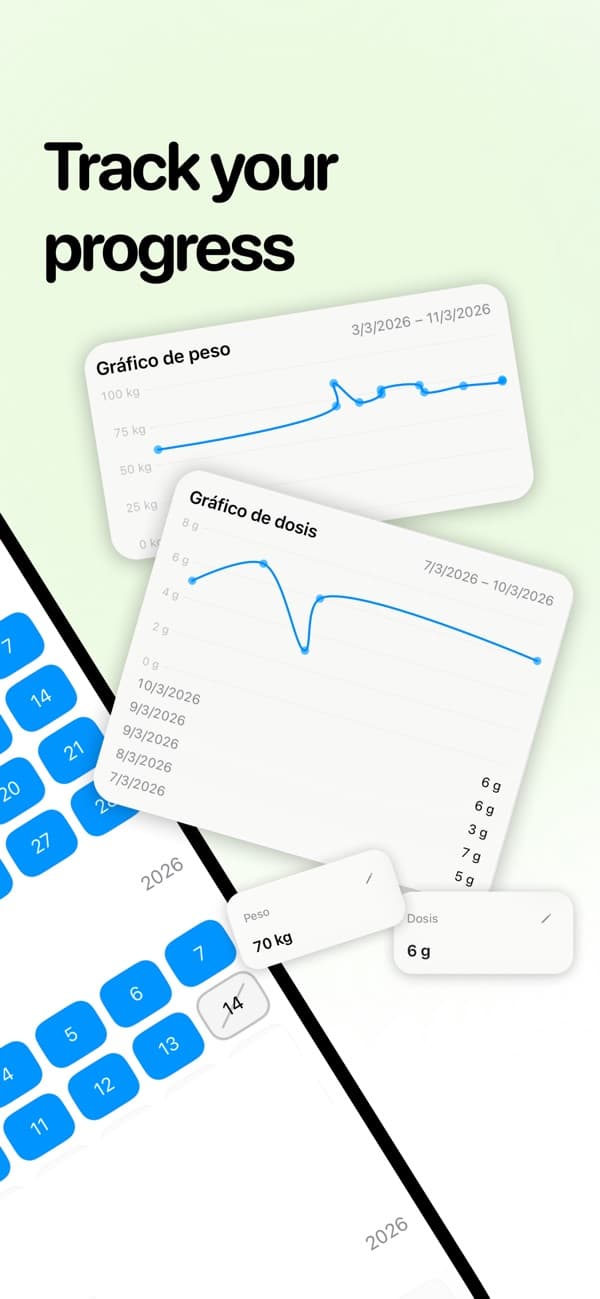
Creatinely reminds you every day until you log it, keeps your streak and tells you when the tub is about to run out.