Creatine Monohydrate: What It Is, What the Research Shows and How It Compares to Other Forms
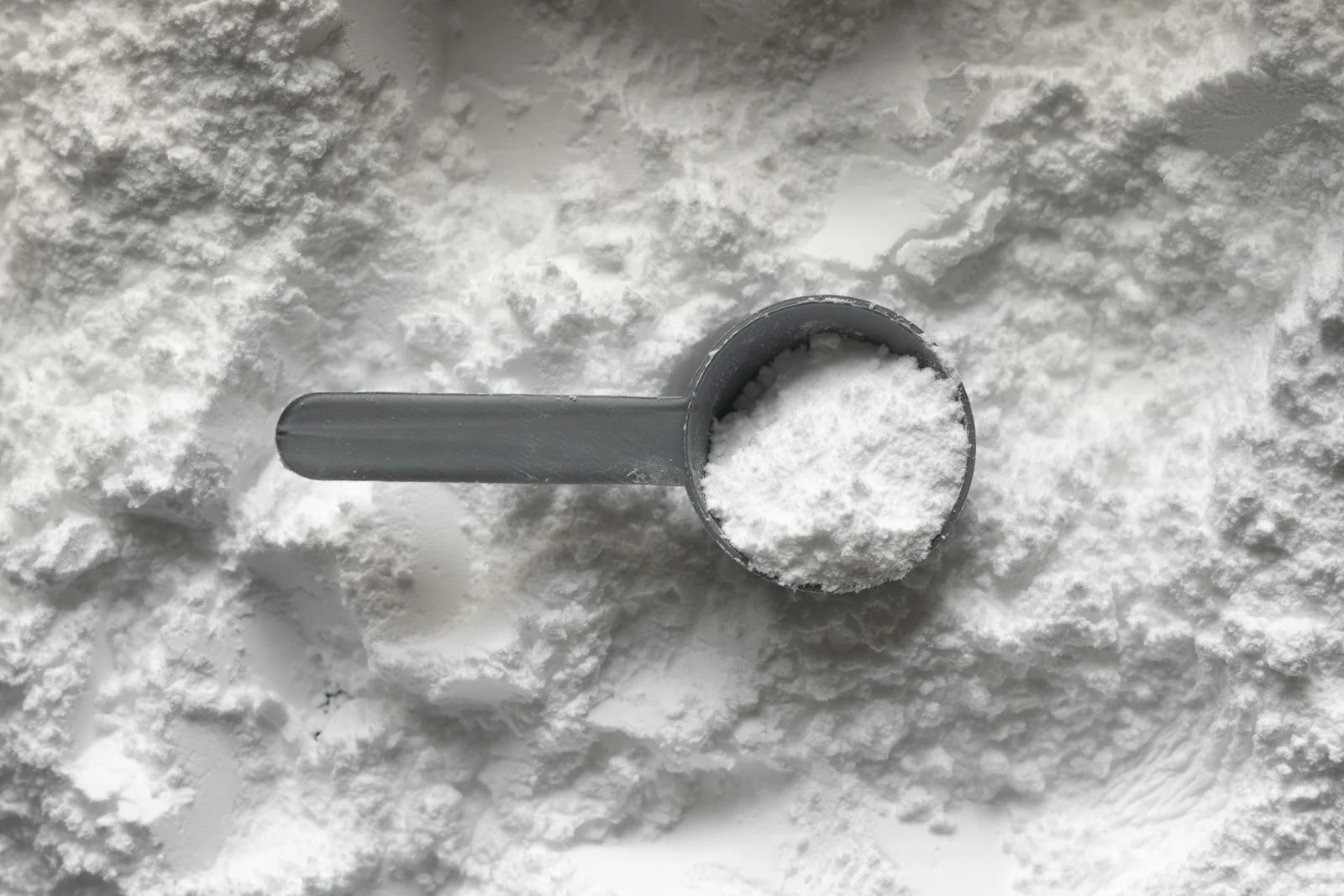
What creatine monohydrate is, what studies found and didn't, how it compares with HCl, ethyl ester, buffered, liquid and gummies, and how to judge purity.

What creatine monohydrate is, what studies found and didn't, how it compares with HCl, ethyl ester, buffered, liquid and gummies, and how to judge purity.

Choose creatine monohydrate, stir it into a drink you already have and take it at a time you can repeat, rest days included. Mixing, missed days and storage.

Double progression: keep the weight, add reps until every set hits the top of your range, then add a little weight and start again. Rep ranges, jumps, examples.

Estimate your one rep max from a set of 10 reps or fewer with the Epley or Brzycki formula. Worked examples, a percentage table and when to test a true max.

Most research supports about 10 to 20 hard sets per muscle per week to build muscle. How to count sets, split them across the week and know when to add more.

You can progressive overload without adding weight by doing more reps, adding sets, slowing the lowering phase or using a fuller range of motion. How and when.

Progressive overload means asking a bit more of your muscles over time: more weight, reps or sets. What it is, the ways to apply it and examples you can copy.

There is no separate female dose in the research. The daily amounts and loading protocols studies in women used, and what the ISSN position stand describes.

Without exercise, most studies found creatine does little for muscle, and the brain research is early and mixed. What that means if you're not a gym person.

Creatine can add some water weight, mostly during a high-dose loading week. It is not fat. Here is what studies found, and why bloating is often about the dose.

Most studies in women over 40 paired creatine with strength training. What they found for muscle, bone and brain fog, and where the evidence is still thin.

The hair loss worry comes from a 2009 study that never measured hair. A 2025 trial that did measure it found no difference. What we know, and what we don't.