Creatine Before or After a Workout? What the Timing Studies Found
 Gabriel SánchezPublished
Studies that compared creatine before and after training found similar results, with a few small ones leaning slightly toward after. The researchers who reviewed them in 2025 concluded that taking it consistently matters more than which side of the workout it lands on.
What the head-to-head studies found
The study most people quote is from 2013. Nineteen recreational male bodybuilders trained about five days a week for four weeks and took creatine either immediately before or immediately after each session. Both groups gained fat-free mass and bench press strength. The standard statistical test found no significant difference between the groups. A second method, called magnitude-based inference, suggested that after was "possibly more beneficial" (Antonio & Ciccone, 2013).
A 2014 study ran the same comparison in 22 healthy older adults over 12 weeks of supervised resistance training. Both groups increased lean tissue mass, muscle thickness and strength, with no differences between them (Candow et al., 2014).
Later trials point the same way. A 2025 review by a group of creatine researchers lists several studies in young and older adults that found similar training gains regardless of timing. In the one study that also had a placebo group, people over 50 who took creatine after training gained more lean mass than the placebo group, while the before group did not differ from placebo. Strength changes were similar (Antonio et al., 2025).
Why "after" gets recommended anyway
The argument for after training is mostly theory. Exercise increases blood flow to the working muscles, and the idea is that more blood flow could deliver more creatine.
The 2025 review explains why that theory is shaky. The rise in blood flow fades about 30 minutes after you stop training, and a single serving of creatine may take up to two hours to peak in the blood. With a typical session lasting 40 to 90 minutes, the authors say taking it immediately before, during or after is "most likely insignificant" (Antonio et al., 2025).
A 2021 review was a little more open to the idea. It said emerging evidence suggests greater benefits when creatine is taken after exercise, then added that methodological limitations "preclude solid conclusions" and that physiological data supporting the claim are lacking (Ribeiro et al., 2021).
The limits of this research
These studies are small. The 2013 one had 19 people and the 2014 one had 22. The 2025 review points out that most timing studies have no placebo group, too few participants for strong statistics, and no measurements of how much creatine reached the muscle. That last gap matters, because the whole timing argument is about uptake, and these studies didn't measure it.
The groups studied were also narrow. The 2013 study had young male bodybuilders, the 2014 study had older adults in supervised training, and both lasted weeks to a few months. If you train differently, or for years, these studies can only tell you so much.
So if a slight edge for after training exists, it is small enough that these studies struggle to detect it, and too small to plan your day around.
Morning or night?
I couldn't find a controlled study that compared morning and night on their own. The 2025 review mentions one study where taking a supplement right around training beat taking it in the morning and evening, but that supplement also contained protein and carbohydrate and the study was single-blinded, which limits what it can tell you about creatine timing.
Creatine works by raising the amount stored in muscle over days to weeks (Kreider et al., 2017), so time of day is a convenience question. Pick the time you are least likely to skip.
The time you can repeat beats the "best" time
The 2025 review ends its timing section with one line worth keeping: consistent intake during a training program is likely the most important variable to consider.

That has a practical consequence people miss. If you only ever take creatine "after the workout", you skip it on every rest day, and rest days are when most people forget. Stores still need topping up on those days, which is covered in taking creatine on rest days. A time attached to something you do every day, like breakfast or your first coffee, covers both kinds of day.


If your timing plan keeps falling apart on rest days
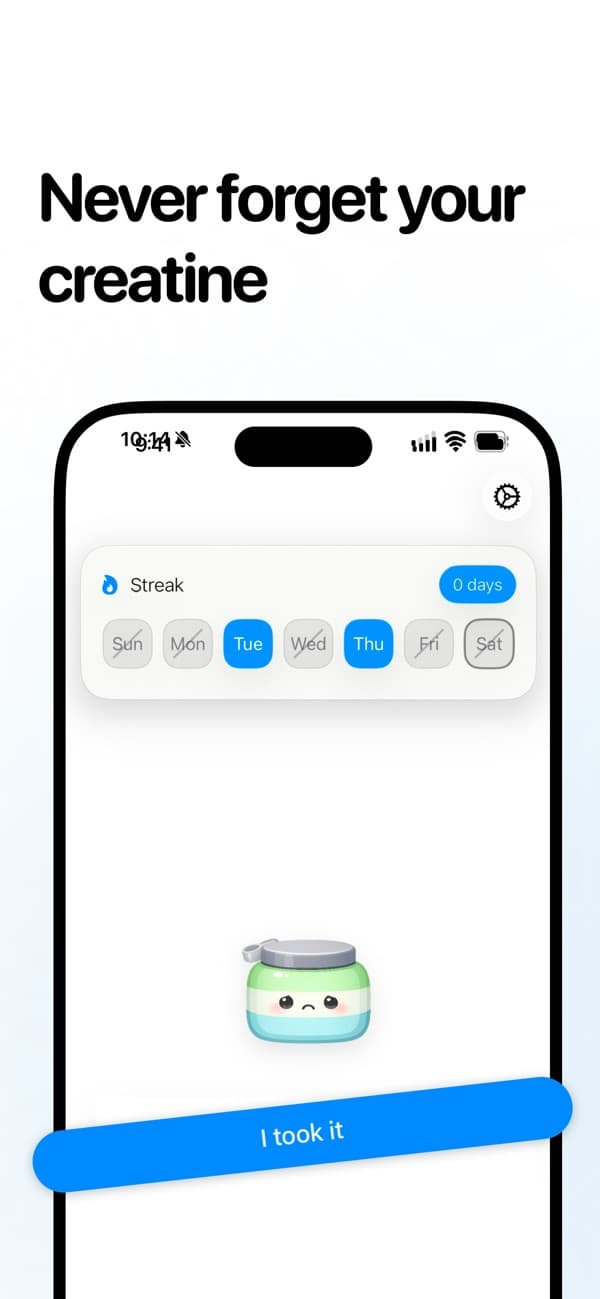
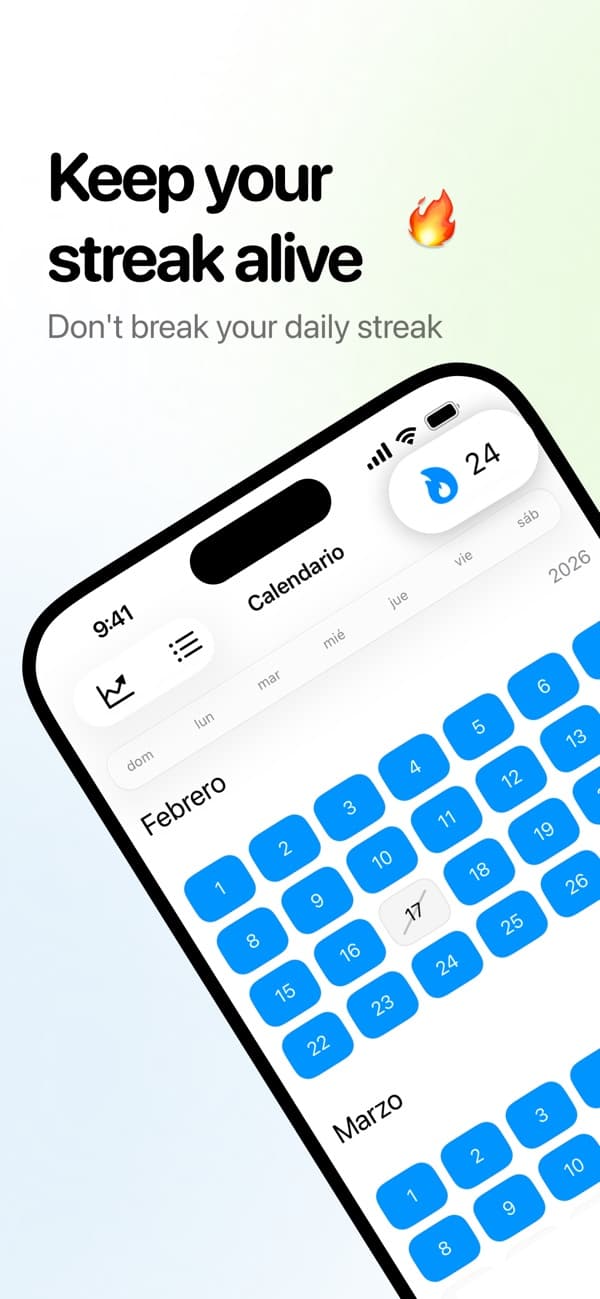
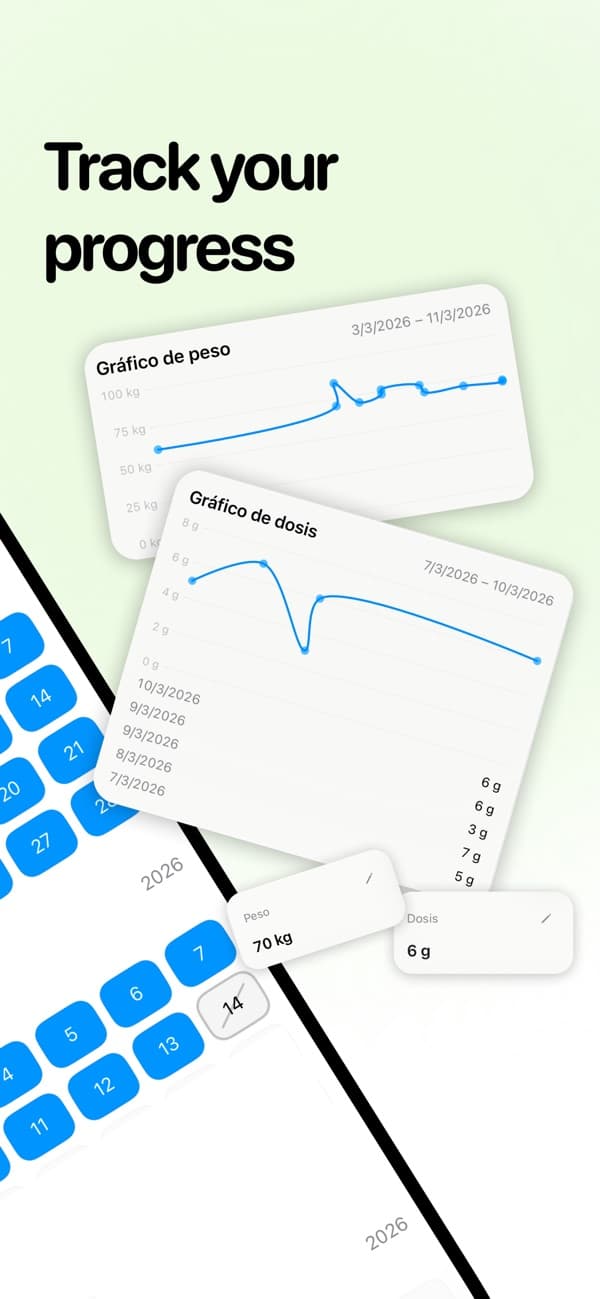
Creatinely reminds you at the same time every day, training or not, and keeps reminding you until you log it. A streak and a widget show whether today is done. (I make Creatinely.)
With food, a protein shake or coffee?
The ISSN position stand says taking creatine with carbohydrate, or with carbohydrate and protein, appears to increase how much muscle takes up, though the effect on performance may not be greater than creatine on its own (Kreider et al., 2017). So a post-workout shake is a fine place for it, as long as you have a plan for days without one.

Coffee and pre-workout drinks come up a lot because of caffeine. The 2025 review concluded that short-term use of creatine and caffeine together likely doesn't cause opposing effects in muscle, and that the long-term effects are unknown. Many people tie creatine to their morning coffee for exactly the habit reason above; how to remember to take creatine has more on that.
If you can't decide, pick the daily habit you're least likely to skip, attach creatine to it, and stop watching the clock.
Frequently asked questions
Is it better to take creatine before or after a workout?
Studies comparing the two found similar gains in strength and lean mass. A 2013 study and a 2021 review saw a possible small edge for after, but the authors say the evidence is too limited for firm conclusions.
Is it better to take creatine in the morning or at night?
I couldn't find a controlled study that compared morning and night on their own. The research focuses on timing around training, and even there the differences are small.
Can I take creatine with my pre-workout or coffee?
A 2025 review by creatine researchers concluded that taking creatine and caffeine together in the short term likely doesn't cause opposing effects in muscle. The long-term picture is unknown.
Should I take creatine with food or a protein shake?
The ISSN position stand says adding carbohydrate, or carbohydrate and protein, appears to increase how much creatine muscle takes up. It also says the effect on performance may not be greater than creatine alone.
Sources
- Antonio J, Ciccone V (2013). The effects of pre versus post workout supplementation of creatine monohydrate on body composition and strength. Journal of the International Society of Sports Nutrition 10:36.
- Candow DG et al. (2014). Comparison of creatine supplementation before versus after supervised resistance training in healthy older adults. Research in Sports Medicine 22(1):61–74.
- Ribeiro F et al. (2021). Timing of creatine supplementation around exercise: a real concern? Nutrients 13(8):2844.
- Antonio J et al. (2025). Part II. Common questions and misconceptions about creatine supplementation: what does the scientific evidence really show? Journal of the International Society of Sports Nutrition 22(1):2441760.
- Kreider RB et al. (2017). ISSN position stand: safety and efficacy of creatine supplementation in exercise, sport, and medicine. Journal of the International Society of Sports Nutrition 14:18.

About the author
22, software developer and founder based in Madrid.
I'm Gabriel, I'm 22 and I live in Madrid. I write software, build my own products and I'm into maths, sport and fashion. Among other things I make three iPhone apps, Creatinely, LockTy and RepZet, and here I write about training, creatine and the small daily habits that add up. I also build apps and software for B2B clients as an independent developer. If you want to work together, write to me.
This is general information, not medical advice. Talk to a professional about your own situation.
Keep reading

How Much Creatine Should a Woman Take? What the Studies Used
There is no separate female dose in the research. The daily amounts and loading protocols studies in women used, and what the ISSN position stand describes.

Should You Take Creatine If You Don't Work Out? What Studies Found Without Training
Without exercise, studies found creatine does little for muscle. The brain research is early and mixed. What that means if you are curious but not a gym person.

Does Creatine Make You Gain Weight or Feel Bloated? What Is Water and What Isn't
Creatine can add some water weight, mostly during a high-dose loading week. It is not fat. Here is what studies found, and why bloating is often about the dose.