Habit Formation Calculator: When Will Your Habit Feel Automatic?
Enter the day you started a new habit and see the dates for day 18, day 66 and day 254, based on the best-known study on how long habits take to form.

Where the numbers come from
The dates come from a study by Phillippa Lally and colleagues at University College London (Lally et al., 2010). 96 volunteers each picked one eating, drinking or activity behaviour and did it once a day in the same context, for example after breakfast, for 12 weeks. Every day they rated how automatic it felt.
82 people gave enough data. For each of them the researchers fitted a curve: automaticity rose fast at first and then levelled off at a plateau. The time to reach 95% of that plateau ranged from 18 to 254 days, and the median among those whose data fit the curve well was 66 days. Missing one day didn't materially change the process.
What the calculator shows
Pick the day you started (day 1). The calculator gives three dates:
Day | What it means |
|---|---|
18 | The fastest person in the study |
66 | The median: a typical time to feel automatic |
254 | The slowest estimate in the study |
Example with a made-up start date: if you started on 5 January 2026, day 18 is 22 January, day 66 is 11 March and day 254 is 15 September. It also tells you which day you are on today.
Using it for creatine, the gym or any daily habit
The study's main lesson is about context: the same action, in the same place, after the same cue, every day.
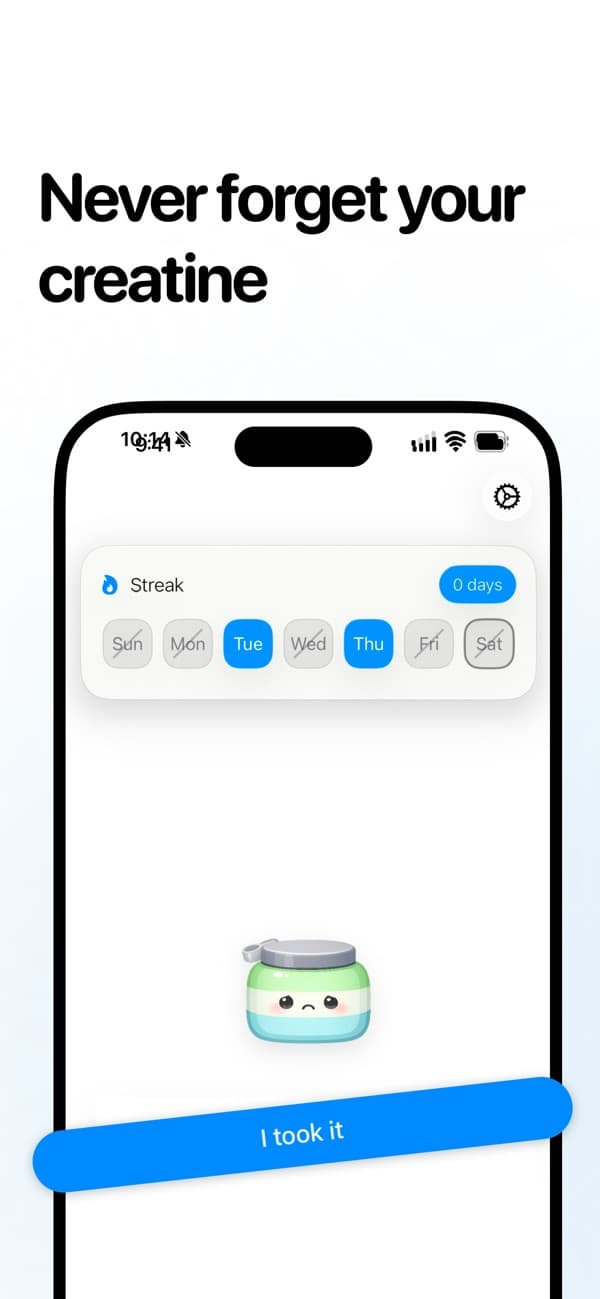
- Creatine: keep the tub next to something you already use daily, like the kettle or your breakfast bowl, and take it at that moment.
- Gym: fix the days and the time, and pack your bag the night before.
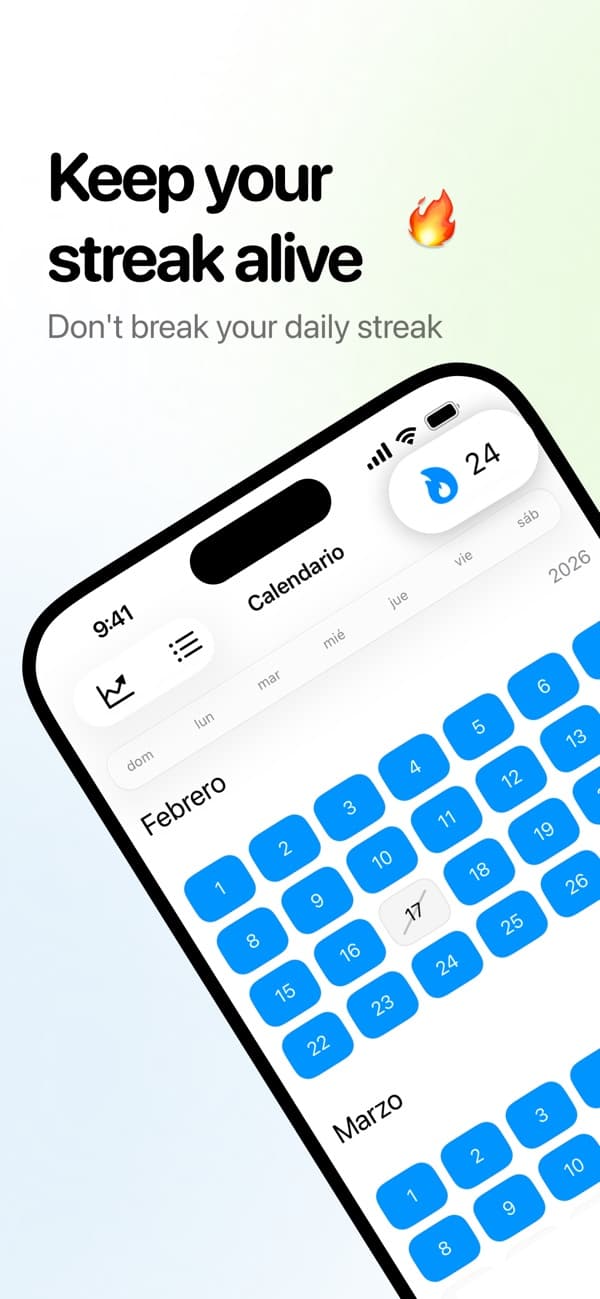
- If you miss a day, start again the next day. One miss didn't undo progress in the study.
Activity habits took longer than eating or drinking ones: people who chose exercise needed about one and a half times as long to reach their plateau (BPS Research Digest). A gym habit may take longer than a creatine habit, and that is normal.
Limits
The 66 days is a median from a small group. Of the 82, the curve fit well for only 39 people, and the 254-day figure is a projection past the 84 days of the study. Automaticity was self-rated. Use the dates as a rough guide, not a deadline: if day 66 comes and it still takes effort, keep going.
Frequently asked questions
How long does it take to form a habit?
In the best-known study, it took a median of 66 days for a daily habit to feel automatic, with a range from 18 to 254 days depending on the person and the habit.
Does it take 21 days or 66 days to form a habit?
The 66 days comes from a study that tracked people daily. The popular 21-day figure isn't what that study found; most people needed longer.
What happens if I miss a day?
In the study, missing one day didn't materially affect habit formation. Get back to it the next day and keep the same cue.
Why do some habits take longer?
People and habits differ. In the study, exercise habits took about one and a half times as long as eating or drinking habits to reach their plateau.
This is general information, not medical advice. Talk to a professional about your own situation.