Creatine for Women Over 40: What the Menopause Research Shows
 Gabriel SánchezPublished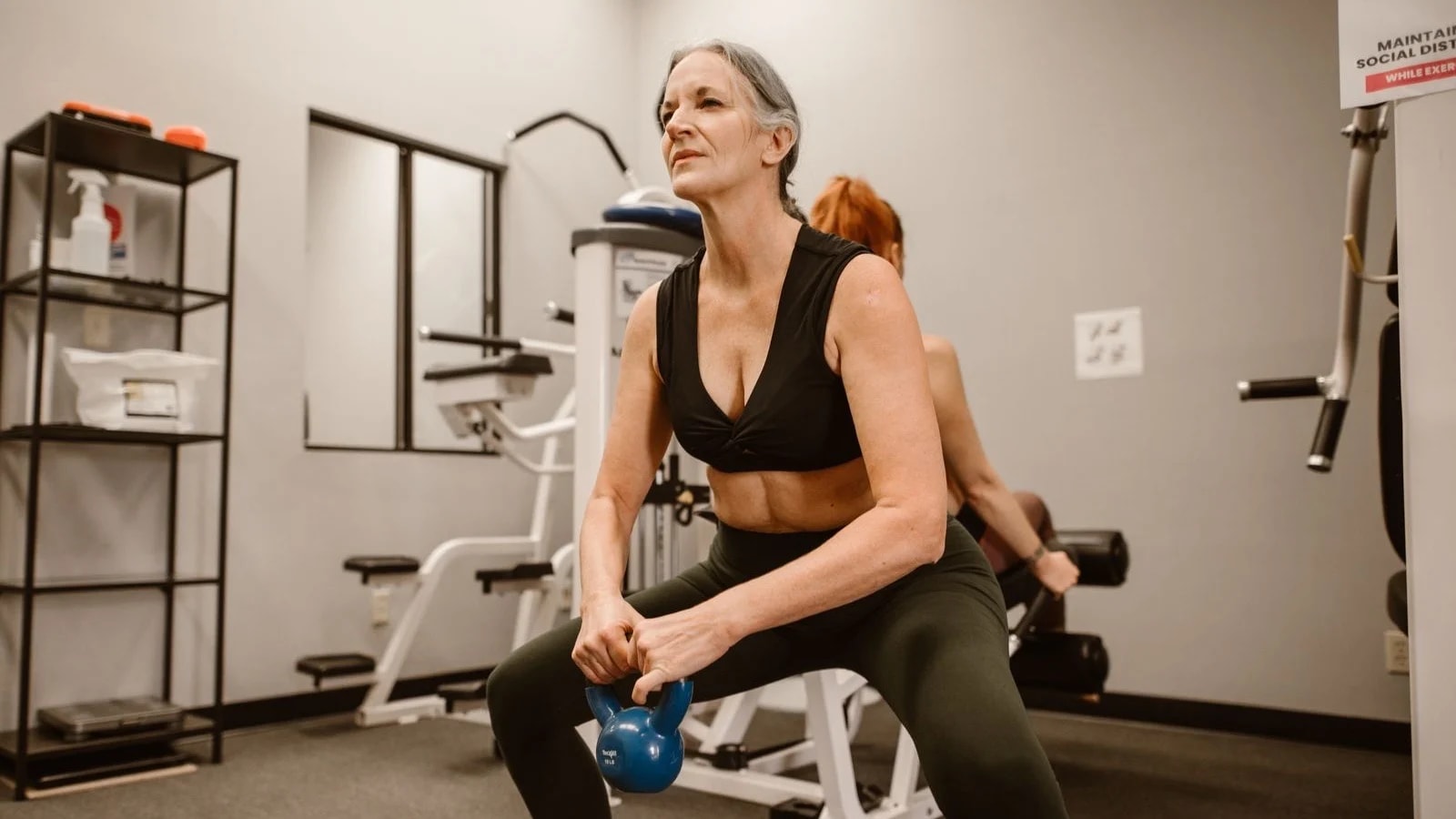
For women over 40, the clearest research on creatine is about muscle: in older adults who did strength training, adding creatine led to more lean mass and strength than training alone. The evidence for bone, brain fog and menopause symptoms is thinner or mixed, so it helps to know which claims rest on trials and which rest on hope.
Why this question comes up after 40
Many women start hearing about creatine around perimenopause, often from podcasts, social media or a friend who swears by it. The posts usually promise a lot at once: muscle, bones, energy, sleep, mood, brain fog. On menopause forums, the questions are more cautious. Will it make me gain weight? Is it safe for my kidneys? Is it worth it if I am not a gym person?
Most of the research in this age group asks a narrower question: does creatine help people keep or build muscle and bone as they get older? That is where the useful data is.
What the research says about muscle
The best summary is a 2017 meta-analysis that pooled 22 randomized trials with 721 men and women whose average ages ranged from 57 to 70 (Chilibeck et al., 2017). Everyone did resistance training two or three days a week, for 7 to 52 weeks. Those who took creatine gained on average 1.37 kg more lean tissue than those on placebo, and improved more in chest press and leg press strength.

The same authors excluded studies where people took creatine without training, and they note that creatine does very little at the cell level when muscles are not being worked. A 2021 review reached a similar conclusion for older adults: creatine on its own is unlikely to produce large gains in strength or everyday function, and most of the benefit comes when it is combined with resistance training (Antonio et al., 2021).
A review focused on women across the lifespan found the same pattern in postmenopausal women. Some trials of creatine alone, including two that ran for a full year at low daily amounts, found no effect on muscle or bone (Smith-Ryan et al., 2021). Trials that added strength training showed more promising results, though not every measure improved.
So if someone tells you creatine will tone you up while you sit on the sofa, the studies don't back that.
What the research says about bone
Bone is where the story gets more interesting, and also more mixed.
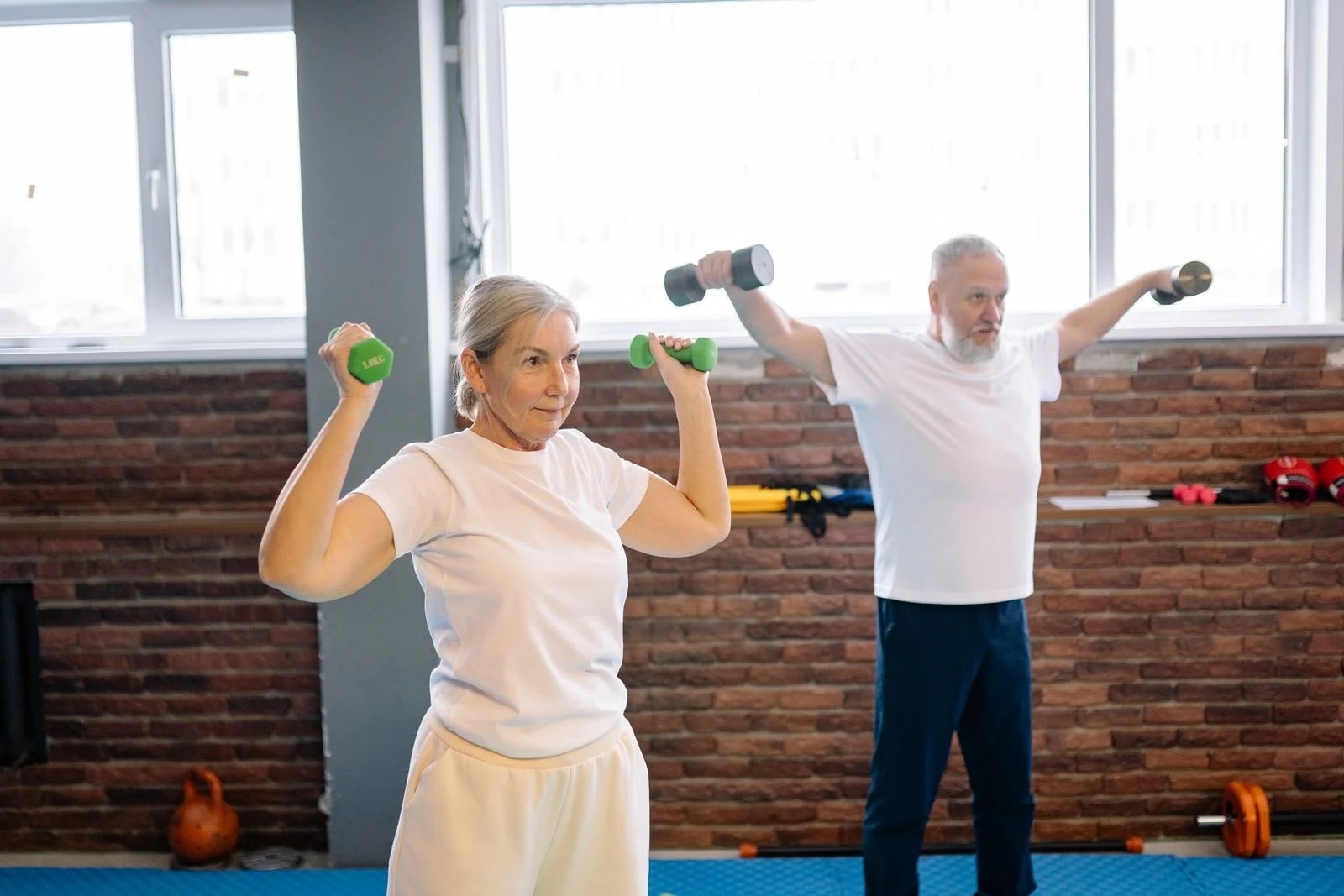
An earlier one-year study in postmenopausal women who trained found that creatine slowed the loss of bone mineral at the hip compared with placebo (Antonio et al., 2021). That result got a lot of attention. The same research group then ran a much larger and longer trial to check it (Chilibeck et al., 2023).
In that trial, 237 postmenopausal women with an average age of 59 took either creatine or a placebo for two years while doing resistance training three days a week and brisk walking six days a week. The results:
- Bone mineral density at the hip and spine did not differ between the groups.
- Some measures of the shape of the upper thigh bone, which relate to how well it resists bending, held up better in the creatine group.
- The creatine group got slightly faster at an 80-metre walk test. Strength gains in the bench press and squat machine did not differ between groups.
The authors suggest the bone shape findings might protect against hip fractures, but say larger and longer studies are needed. That is a fair reading. If you have osteopenia or osteoporosis, creatine is not a replacement for the treatment and exercise your doctor recommends.
What about brain fog, mood and sleep?
These are the reasons many women over 40 are curious, and they are the areas with the least evidence.
A systematic review of creatine and thinking skills in healthy people found only six trials with 281 participants in total (Avgerinos et al., 2018). It found some evidence for short-term memory and reasoning, conflicting results for most other areas, and no change in young people. The authors suggested a possible benefit for older and stressed people, but called for larger studies.
I couldn't find a trial that tested creatine on menopause brain fog, hot flushes or sleep specifically. Forum stories about clearer thinking are real experiences, but they can't separate creatine from everything else that changes at the same time. If brain fog is affecting your daily life, it is worth raising with your GP, who can look for other causes.
Safety, kidneys and blood tests
The 2021 review of common creatine questions concludes that recommended amounts do not cause kidney damage in healthy people, based on more than 20 years of research (Antonio et al., 2021). The review on women's health describes creatine as a safe, low-risk supplement when taken in recommended amounts (Smith-Ryan et al., 2021).
In the two-year trial, kidney, liver and digestive side effects did not differ significantly between creatine and placebo. Some women on creatine had higher blood creatinine, which the authors say may not indicate kidney damage. Creatinine is a waste product of creatine, so taking more creatine can raise it even when the kidneys are fine. Since creatinine is used to estimate kidney function, tell your doctor you take creatine before a blood test.
If you have a kidney condition, take regular medication or have other health conditions, check with your doctor or pharmacist before starting. Several authors of these reviews also disclose ties to creatine manufacturers, which is fair to know.
For the amounts these studies used, see how much creatine women take in studies. If weight gain is your concern, there is a separate article on creatine, water weight and bloating.


If you try it, the hard part is doing it every day
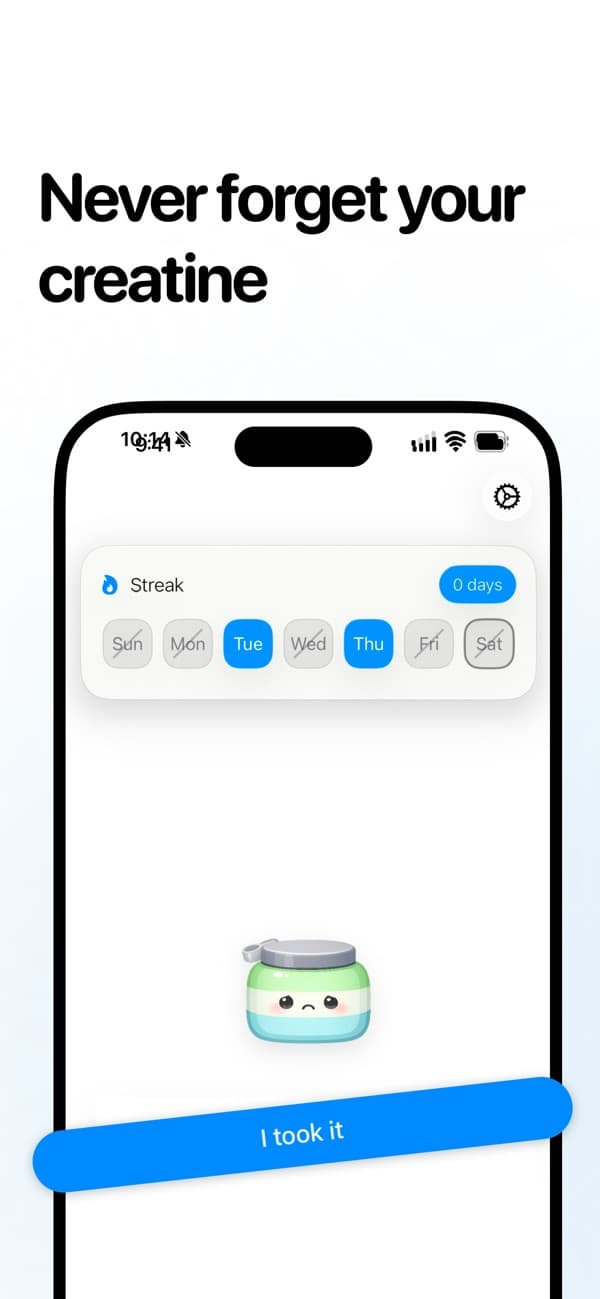
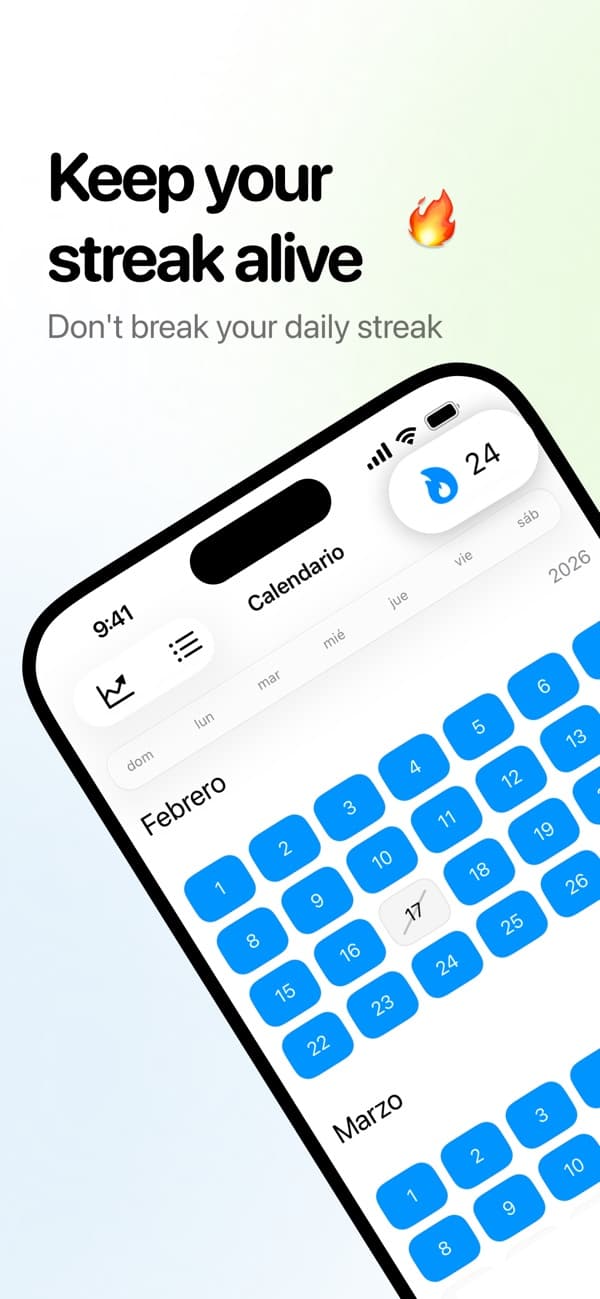
Creatinely reminds you at the time you pick and keeps reminding you until you log it, with a streak, a widget and a Live Activity. (I make Creatinely.)
So is it worth trying after 40?
If you already do strength training, or plan to start, the research gives a reasonable case for discussing creatine with your doctor. Most of the measured benefit in older adults came from the two together. If you don't plan to train, the evidence for creatine on its own is weak, and this article on taking creatine without working out goes into what is known.
The single most useful step from all of these studies has nothing to do with a supplement: two or three strength sessions a week. Creatine, if you choose it, was studied as an addition to that.
Frequently asked questions
Is creatine good for women over 40?
In studies of older adults who did strength training, creatine led to more gains in lean mass and strength than training alone. Studies where people took creatine without training mostly found little or no effect.
Does creatine help with menopause symptoms?
Research in this age group has mostly looked at muscle and bone, not hot flushes, sleep or mood. There is no trial on menopause symptoms in general, so it would be wrong to promise relief.
Does creatine improve bone density after menopause?
A two-year trial in 237 postmenopausal women found no difference in bone mineral density with creatine. It did find better preservation of some measures of hip bone shape and strength, which the authors say needs confirming.
Can creatine affect blood tests?
Creatine can raise creatinine in blood and urine, a marker often used to estimate kidney function, without the kidneys being harmed. Tell your doctor you take it before blood tests so the result is read correctly.

Sources
- Smith-Ryan AE, Cabre HE, Eckerson JM, Candow DG (2021). Creatine supplementation in women's health: a lifespan perspective. Nutrients 13(3):877.
- Chilibeck PD, Kaviani M, Candow DG, Zello GA (2017). Effect of creatine supplementation during resistance training on lean tissue mass and muscular strength in older adults: a meta-analysis. Open Access Journal of Sports Medicine 8:213–226.
- Chilibeck PD et al. (2023). A 2-yr randomized controlled trial on creatine supplementation during exercise for postmenopausal bone health. Medicine & Science in Sports & Exercise 55(10):1750–1760.
- Antonio J et al. (2021). Common questions and misconceptions about creatine supplementation: what does the scientific evidence really show? Journal of the International Society of Sports Nutrition 18:13.
- Avgerinos KI, Spyrou N, Bougioukas KI, Kapogiannis D (2018). Effects of creatine supplementation on cognitive function of healthy individuals: a systematic review of randomized controlled trials. Experimental Gerontology 108:166–173.
About the author
22, software developer and founder based in Madrid.
I'm Gabriel, I'm 22 and I live in Madrid. I write software, build my own products and I'm into maths, sport and fashion. Among other things I make three iPhone apps, Creatinely, LockTy and RepZet, and here I write about training, creatine and the small daily habits that add up.
This is general information, not medical advice. Talk to a professional about your own situation.
Keep reading

How Much Creatine Should a Woman Take? What the Studies Used
There is no separate female dose in the research. The daily amounts and loading protocols studies in women used, and what the ISSN position stand describes.

Should You Take Creatine If You Don't Work Out? What Studies Found Without Training
Without exercise, studies found creatine does little for muscle. The brain research is early and mixed. What that means if you are curious but not a gym person.

Does Creatine Make You Gain Weight or Feel Bloated? What Is Water and What Isn't
Creatine can add some water weight, mostly during a high-dose loading week. It is not fat. Here is what studies found, and why bloating is often about the dose.