How Long Does It Take to Form a Habit? The 66-Day Study vs the 21-Day Myth
 Gabriel SánchezPublished


It takes about two months for a new daily habit to feel automatic, not 21 days. In the best-known study on the question, the median was 66 days, but individual times ranged from 18 to 254 days depending on the person and the habit (Lally et al., 2010). A 2024 review of later studies landed in the same place: medians of 59 to 66 days, with big differences between people.
What the 66-day study found
In 2010, Phillippa Lally and her team at University College London asked 96 volunteers to pick one new behavior and do it once a day in the same situation, for example "after breakfast", for 12 weeks. People chose things like drinking a bottle of water with lunch, eating a piece of fruit with lunch or going for a 15-minute run. Every day they rated how automatic the behavior felt.
82 people gave enough data. For most, automaticity rose quickly in the first weeks and then flattened out, like a curve reaching a ceiling. The researchers measured how long each person took to reach 95% of their own ceiling:
Measure | Result |
|---|---|
Fastest | 18 days |
Median | 66 days |
Slowest (projected) | 254 days |
Two details matter more than the headline number. First, the 66 days is a median from the 39 people whose data fit the curve well, so it's a rough guide, not a law. Second, missing one day did not materially change the process. Doing the behavior consistently was what helped.
Where the 21-day myth comes from
The 21 days goes back to Maxwell Maltz, a plastic surgeon who wrote Psycho-Cybernetics in 1960. He noticed that his patients took about 21 days to get used to their new appearance. Self-help writers later turned that observation into a rule for habits, and it stuck.
It was never a study of habit formation. Researchers who later reviewed the evidence for GPs called it a myth and suggested telling patients to expect about ten weeks instead (Gardner et al., 2012). That matters in practice: if you expect a habit to be automatic in three weeks and it isn't, it's easy to decide you've failed and quit right when the curve is still climbing.
What newer research adds
- A 2024 review. Pooling 20 studies with 2,601 adults, a systematic review found that the four studies measuring time to habit reported medians of 59 to 66 days and means of 106 to 154 days, with individual times from 4 to 335 days. Morning habits and habits people chose themselves tended to be stronger (Singh et al., 2024).
- Gym vs handwashing. Using over 12 million gym check-ins and over 40 million hospital handwashing events, researchers found it typically takes months to form a gym habit but only weeks to form a handwashing habit at work (Buyalskaya et al., 2023).
- New gym members. In a 12-week study of new gym members, going about four times a week for at least six weeks was the minimum for an exercise habit to form (Kaushal and Rhodes, 2015).
The pattern across all of them: small, frequent actions tied to a stable cue form fastest. Big, effortful ones take longer.
Type of habit | Typical time to form |
|---|---|
Simple daily action (glass of water, vitamins, flossing) | Weeks to about two months |
Something new every day in the same context | Median of 59 to 66 days |
Exercise, going to the gym | Months, and only with frequent sessions |
How to create a habit that sticks
This is the short version of the advice Gardner and colleagues give patients, plus one technique with strong evidence behind it.
- Pick one habit. Choose something you want, not something someone told you to do. Self-chosen habits were stronger in the 2024 review.
- Make it small. "Read two pages", not "read more". You can grow it once it runs on its own.
- Tie it to a cue you already have. Something that happens every day in the same place: pouring your first coffee, brushing your teeth, getting off the bus.
- Write it as an if-then plan. "After I pour my coffee, I read two pages." Across 94 tests, people who made if-then plans reached their goals more often than people who only set the goal, with a medium-to-large effect (Gollwitzer and Sheeran, 200638002-1)).
- Do it every time the cue happens. Consistency is what builds the automatic link, so keep the same action in the same place while it forms.
- Tick it off. The handout Gardner's team designed is a simple 10-week tick sheet. A paper calendar, a note on the fridge or an app all work.
- If you miss a day, do it the next day. One miss doesn't undo the work.
An example with made-up numbers: you start a 10-minute walk after lunch on 4 January. By late January it still takes effort. Around early March, the median point, you might notice you're putting your shoes on without thinking about it. If you don't, nothing is wrong; you may just be on the slower side of the range.
Habit Formation Calculator: When Will Your Habit Feel Automatic?Enter your start date and see when day 18, day 66 and day 254 fall for your habit.What to do if it still feels hard at day 66
Keep going. The 66 days is the middle of a range, so about half the people in the study needed longer. A few things usually help:
- Check the cue. If you do the habit at different times or places each day, it has nothing stable to attach to. Pick one.
- Shrink it. If you skip often, the habit is probably too big for now.
- Remove what competes with it. If you meant to read before bed but end up scrolling, the phone wins because that habit is older. Keep the phone out of reach or lock the apps you open on autopilot; there's more on that in how to stop phone addiction.

Make the habit the key to your phone
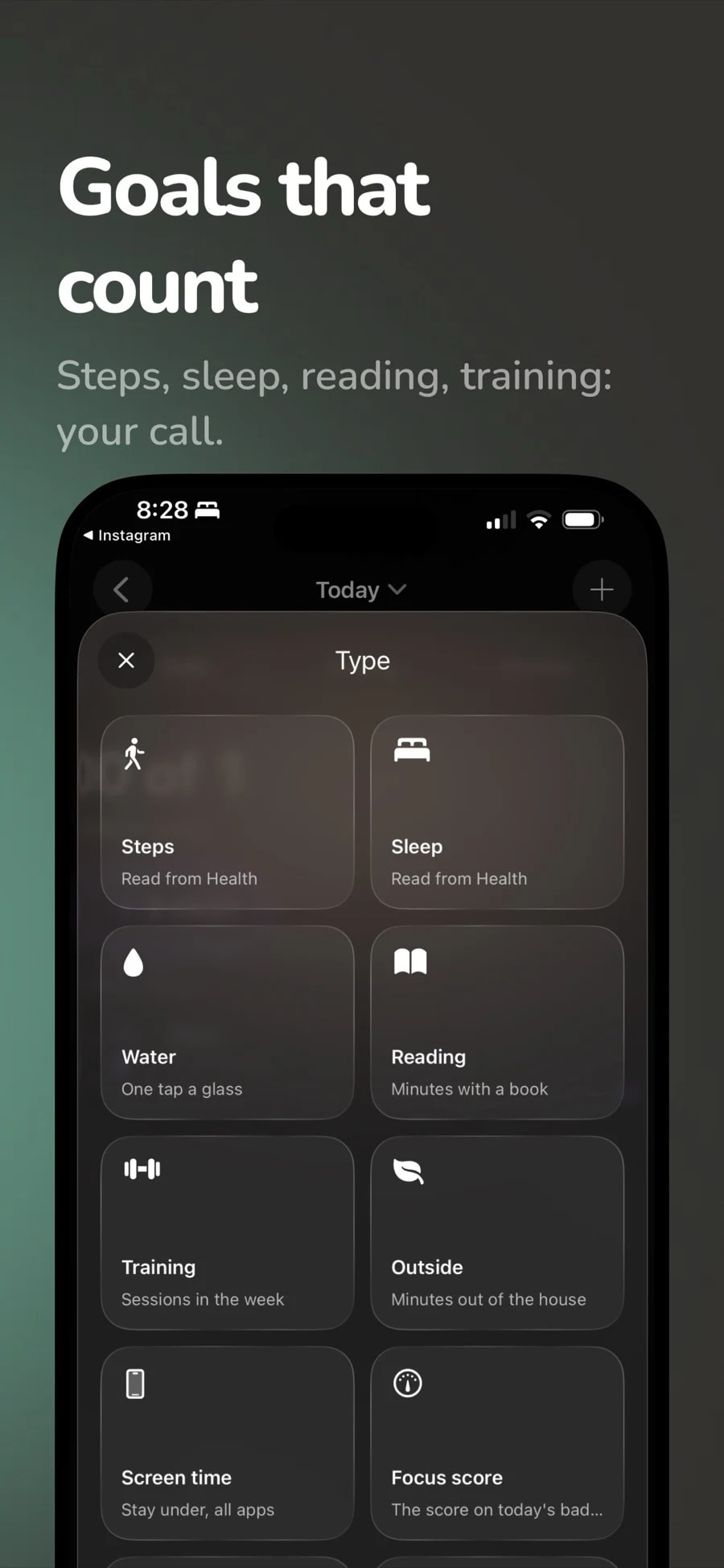
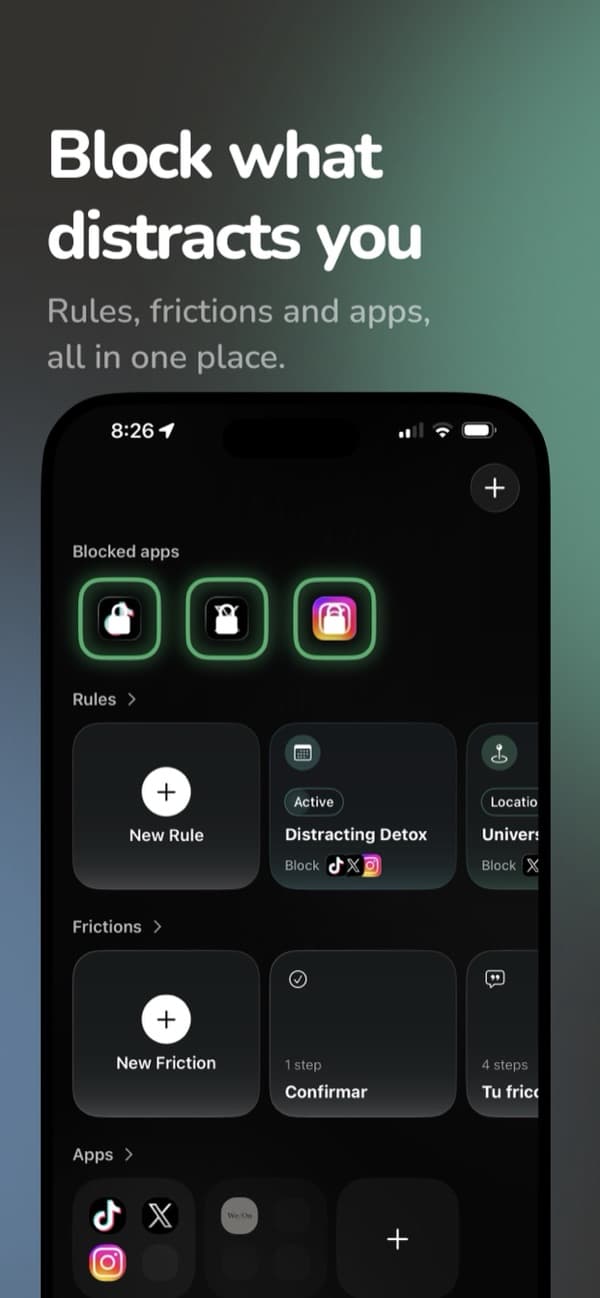
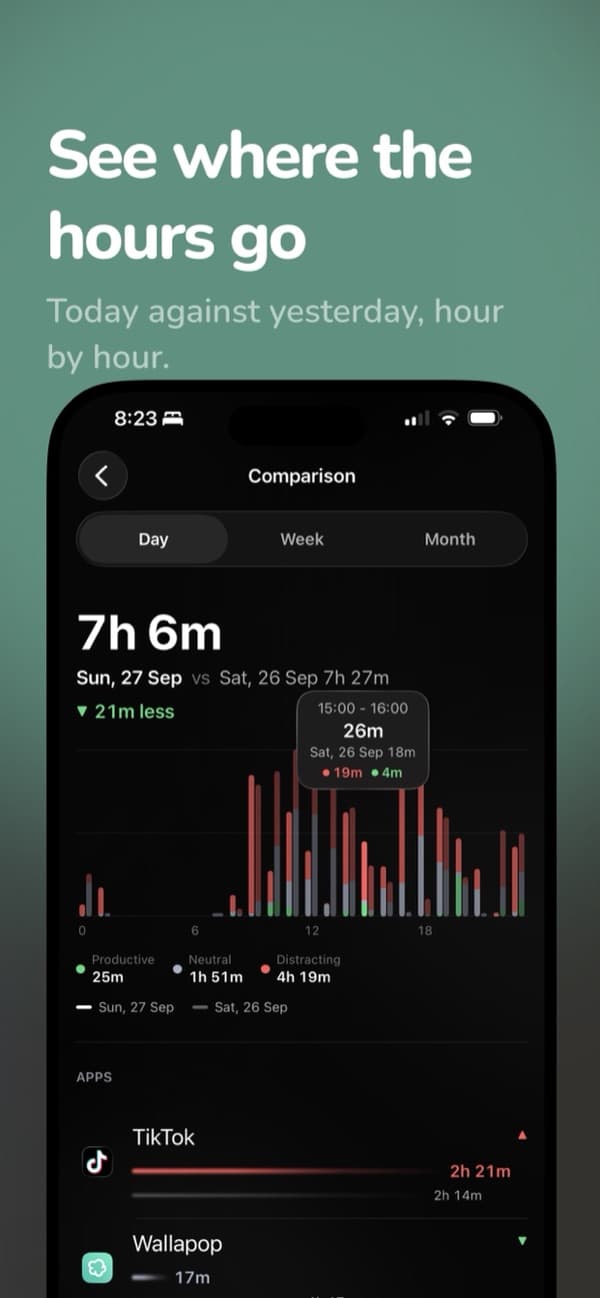
In LockTy you pick daily goals like reading minutes, steps, water or training. Until you hit them, the apps you choose stay locked, so the new habit comes first and the scroll comes after.
Habits you already want to build
The same rules apply to most daily routines. If your habit is a supplement, a cue next to the kettle and a tick sheet do most of the work, as in how to remember to take creatine. If you're building several at once, start with the one that matters most and set it up as a daily goal: how to set daily goals walks through it.
The short version: plan for about two months, keep the cue the same, and don't treat a missed day as a reason to start over.
Frequently asked questions
Is it 21 days or 66 days to form a habit?
The 21-day figure comes from a 1960 self-help book about how long patients took to get used to a change in their appearance. The 66 days comes from a study that tracked people every day: that was the median time for a new daily behavior to feel automatic.
How long does it take to break a bad habit?
There is less research on stopping habits than on starting them, and the 2024 review on habit timing left it out. A practical approach is to remove the cue and replace the old action with a new one, then give the new routine the same couple of months.
What happens if I miss a day?
In the 2010 study, missing one opportunity did not materially affect habit formation. Get back to it the next day, at the same time and after the same cue.
Why do some habits take longer to form than others?
More complex habits and ones you do less often take longer. In a large data set, gym habits took months to form while hospital handwashing took weeks. Habits done in the morning and habits people chose themselves tended to be stronger.
How do I know when a habit is formed?
When you do it without deciding to, and skipping it feels odd. Researchers measure this by asking people how automatic the action feels, for example whether they do it without thinking or without having to remember.
LockTy
Lock the apps that distract you and unlock them by meeting your daily goals: steps, sleep, reading or training.
Sources
- Lally P, van Jaarsveld CHM, Potts HWW, Wardle J (2010). How are habits formed: modelling habit formation in the real world. European Journal of Social Psychology 40(6):998–1009.
- Gardner B, Lally P, Wardle J (2012). Making health habitual: the psychology of 'habit-formation' and general practice. British Journal of General Practice 62(605):664–666.
- Singh B, Murphy A, Maher C, Smith AE (2024). Time to form a habit: a systematic review and meta-analysis of health behaviour habit formation and its determinants. Healthcare 12(23):2488.
- Buyalskaya A, Ho H, Milkman KL, Li X, Duckworth AL, Camerer C (2023). What can machine learning teach us about habit formation? Evidence from exercise and hygiene. PNAS 120(17):e2216115120.
- Kaushal N, Rhodes RE (2015). Exercise habit formation in new gym members: a longitudinal study. Journal of Behavioral Medicine 38(4):652–663.
- Gollwitzer PM, Sheeran P (2006). Implementation intentions and goal achievement: a meta-analysis of effects and processes. Advances in Experimental Social Psychology 38:69–119.

About the author
22, software developer and founder based in Madrid.
I'm Gabriel, I'm 22 and I live in Madrid. I write software, build my own products and I'm into maths, sport and fashion. Among other things I make three iPhone apps, Creatinely, LockTy and RepZet, and here I write about training, creatine and the small daily habits that add up. I also build apps and software for B2B clients as an independent developer. If you want to work together, write to me.
This is general information, not medical advice. Talk to a professional about your own situation.
Keep reading

How to Set Daily Goals You Can Keep: 7 Steps and Examples
Set 3 to 5 daily goals you can measure, tie each to a time and place, and tick them off the same day. Here's how, with examples for steps, sleep and reading.
How to Wake Up Early: 8 Steps Backed by Sleep Research
To wake up early, move your bedtime first, keep the same wake time every day, get daylight in the morning and keep your phone out of the bedroom at night.

How to Be Disciplined: Avoid Temptation Instead of Fighting It
Disciplined people resist temptation less often because they set up their days to avoid it. Here's how to do the same: 8 steps, an example week and research.

Morning Routine: A Simple Plan That Starts Without Your Phone
A good morning routine is short, happens at the same time daily and starts before your phone. A 10, 30 and 60 minute version, plus how to make it stick.

Dopamine Detox: What It Gets Right and What It Gets Wrong
A dopamine detox can't lower or reset your dopamine. The useful part of the trend is cutting easy, high-reward habits at set times and getting used to boredom.

How to Stop Procrastinating: 10 Steps That Work When Willpower Doesn't
To stop procrastinating, make the first step tiny, decide in advance when and where you'll start, and keep your phone out of reach while you work.