How to Stop Procrastinating: 10 Steps That Work When Willpower Doesn't
 Gabriel SánchezPublished


To stop procrastinating, make the first step so small it feels silly, decide in advance exactly when and where you'll start, and get your phone out of reach while you work. Procrastination is mostly a way of escaping a bad feeling about the task, so the fix is to make starting easier, not to wait until you feel motivated.
Why you procrastinate
Procrastination is very common. A large review of the research by Piers Steel cites estimates that 80 to 95% of college students do it (Steel, 2007). The same review pooled 691 correlations to see what predicts it. The strongest links were:
- How unpleasant the task feels. Boring, confusing or stressful tasks get delayed the most.
- How far away the reward is. A deadline in three weeks barely registers today.
- Low confidence. If you doubt you can do it well, starting feels like a test.
- Impulsiveness and distractibility. Something easier is always one tap away.
Psychologists Fuschia Sirois and Timothy Pychyl describe procrastination as choosing to feel better now at the expense of your future self (Sirois & Pychyl, 2013). You open the report, feel a knot of dread, switch to your phone and the dread goes away. That short relief is the reward that keeps the habit going.
It also costs more than it seems. In a study of college students, procrastinators reported less stress early in the semester, but more stress and illness toward the end, and they got lower grades (Tice & Baumeister, 1997). The relief is borrowed, and you pay it back with interest near the deadline.
How to stop procrastinating: 10 steps
- Write down the next physical action. "Work on thesis" is a project. "Open the document and write three bullet points for section 2" is an action you can start right now.
- Commit to 10 minutes. Tell yourself you can stop after 10 minutes. Starting is the hard part, and once you're in, carrying on is easier.
- Make an if-then plan. "If it's 9:00 on a weekday, then I sit at the desk and open the report." In a meta-analysis of 94 tests, plans in this "if X, then Y" form had a medium-to-large effect on reaching goals (Gollwitzer & Sheeran, 200638002-1)).
- Put the phone in another room. In experiments, people did worse on attention and memory tests when their own phone was on the desk, even face down and silent, than when it was in another room (Ward et al., 2017).
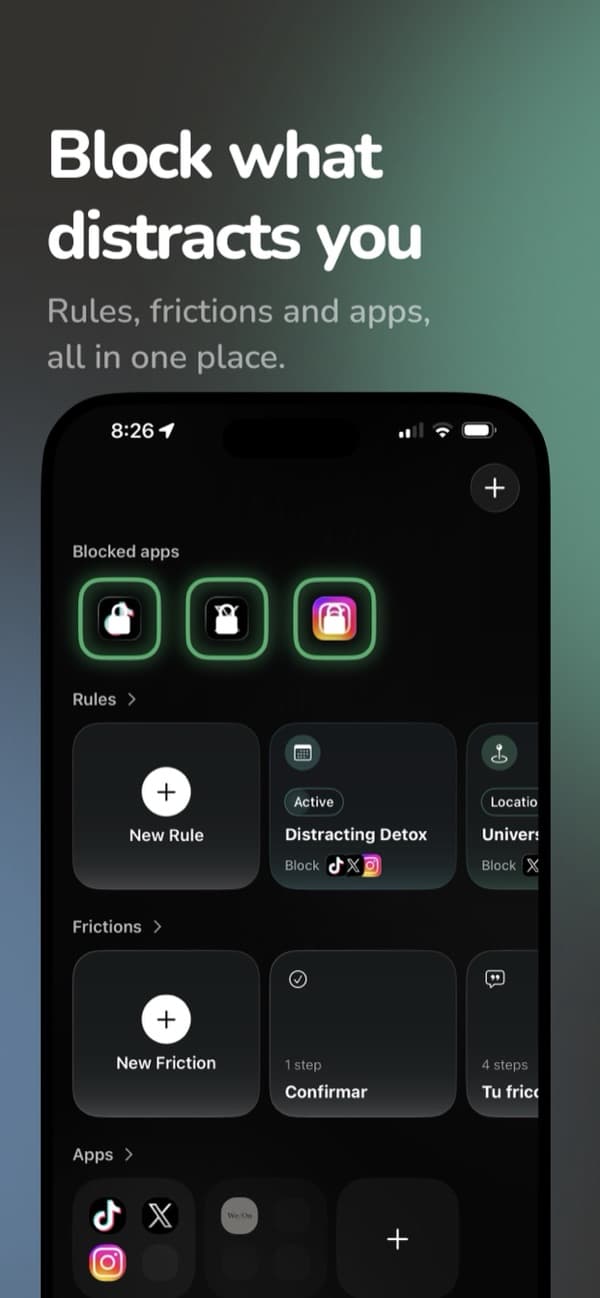
- Lock the apps you escape to. If the phone has to stay with you, block social media and games during your work hours so the easy exit isn't there. More ideas in our guide on how to stop phone addiction.
- Make the task less unpleasant. Start with the easiest part, work somewhere you like, use the same playlist every time. You're lowering the dread that triggers the delay.
- Work in short, timed blocks. A fixed end point makes starting feel safer. The Pomodoro Technique uses 25-minute blocks with short breaks.
- Bring the deadline closer. Split a big task into small pieces with their own dates, and tell someone when each one is due.
- Earn the fun part. Do the task first and keep the scrolling, the series or the game for afterwards.
- Forgive yourself for yesterday. Students who forgave themselves for putting off studying before a first exam procrastinated less before the next one (Wohl et al., 2010). Guilt adds to the bad feeling you were trying to escape.
Match the fix to the reason
Different reasons need different fixes. Find the line that sounds most like you.
Why you're putting it off | What to try first |
|---|---|
The task is boring | Timed blocks, a reward afterwards, a nicer place to work |
You don't know where to start | Write the next physical action and nothing else |
You're afraid it won't be good enough | Aim for a rough first draft and fix it later |
The deadline feels far away | Mini deadlines that someone else can see |
Your phone keeps pulling you away | Phone in another room or the apps locked while you work |
An example day
This is an example, not a rule. Say you have a report due Friday and you've been avoiding it all week.
- Night before: write the next action on a sticky note: "Draft the intro, 5 sentences."
- 8:45: phone goes to the kitchen. Social apps are locked until noon.
- 9:00: open the document. The plan is 10 minutes.
- 9:25: you're still going, so take a 5-minute break and do a second block.
- 12:00: two blocks done. The apps unlock because the morning goal is met.

Unlock your apps by doing the task first
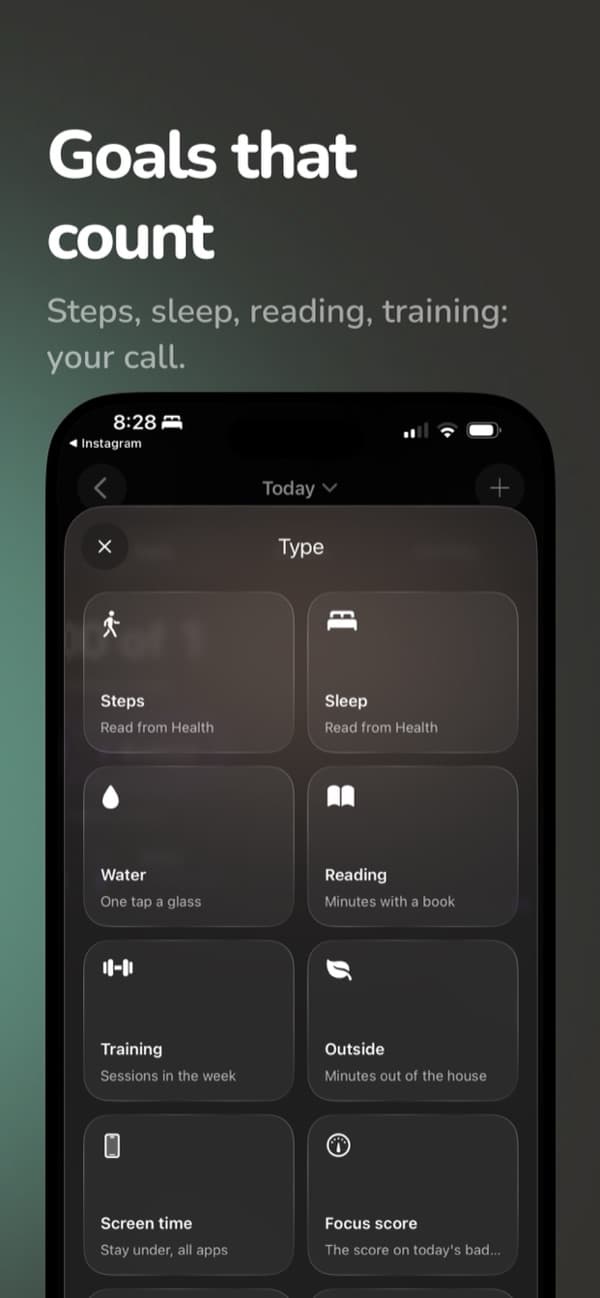
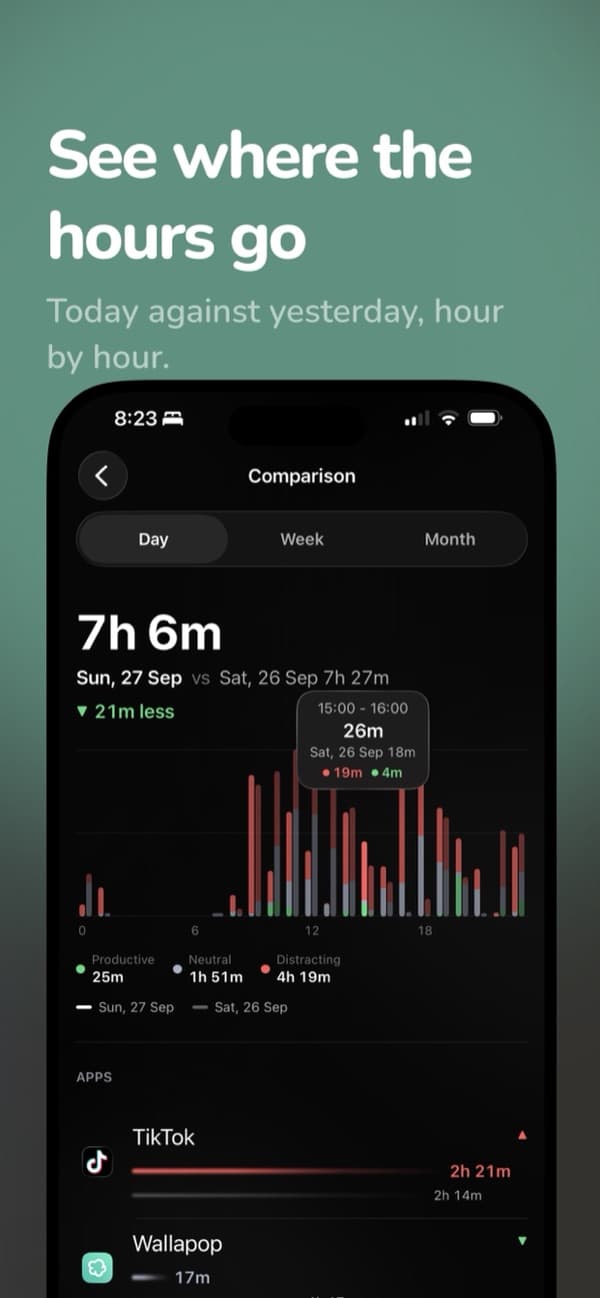
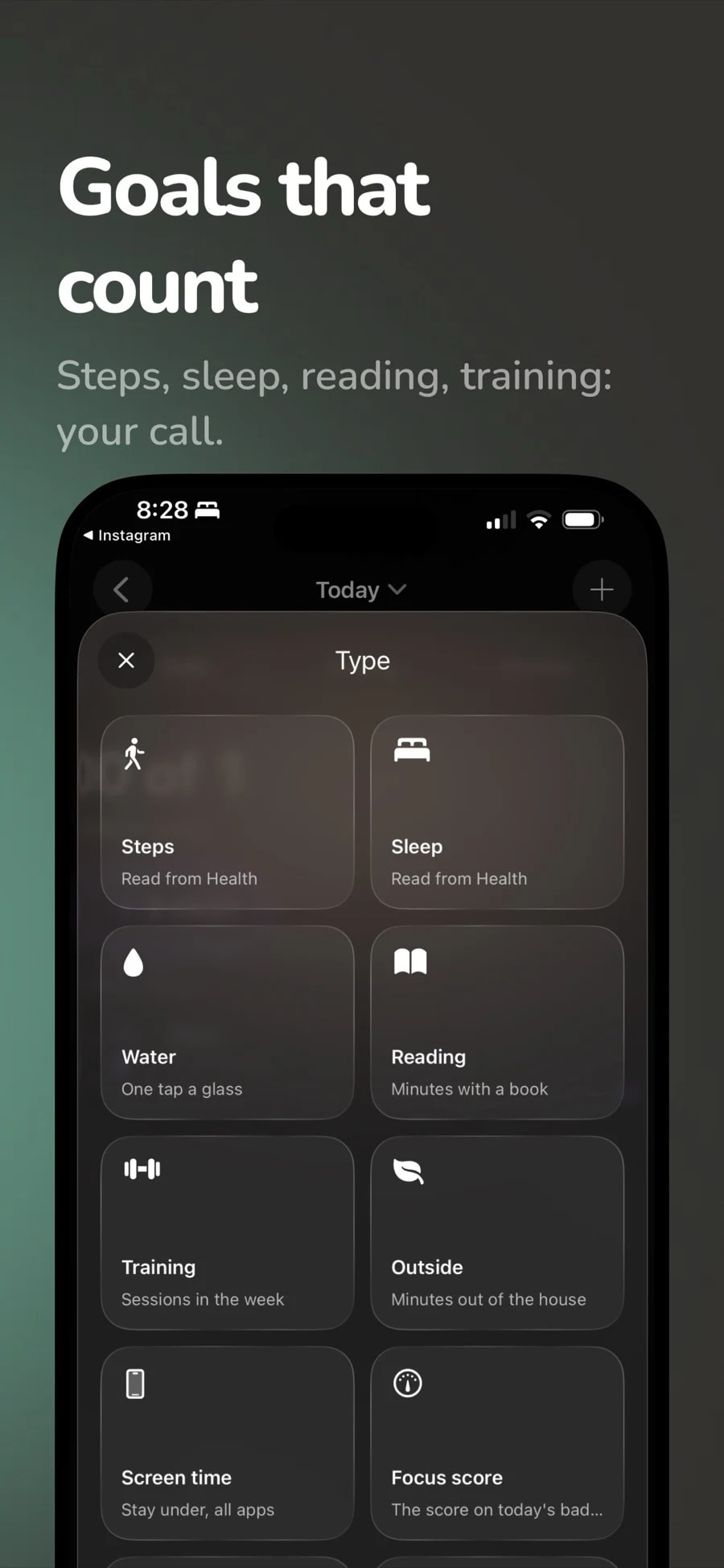
LockTy locks the apps you choose during the hours you set. You can also set daily goals, like reading time or staying under a screen time limit, and your apps unlock once you meet them. It shows where your hours go, too.
If blocking everything feels too strict, a pause before the app opens can be enough to break the automatic tap. Our comparison of the best app blockers for iPhone covers the main options.
How long until it gets easier
Starting on time is a habit like any other, and new habits take a while to feel automatic. The habit formation calculator gives a rough estimate for your case, based on research into how long daily habits take to form. Expect the first couple of weeks to feel forced. After that, the if-then plans and the locked apps do more of the work.
When it's more than procrastination
Putting things off now and then is normal. But if it's constant, it's hurting your job, studies or health, and the steps above don't help, talk to a doctor or a psychologist. Chronic delay can be part of ADHD, depression or anxiety, and those are worth treating directly.
Frequently asked questions
Why do I procrastinate even when I want to do the task?
Because the delay is mostly about mood, not time. Putting off a task that feels boring, hard or uncertain gives you quick relief, and that relief teaches you to do it again. Wanting the result doesn't make the first step feel less unpleasant.
Is procrastination a sign of laziness?
No. In a large review of the research, the strongest links to procrastination were how unpleasant the task feels, how far away the reward is, low confidence that you can do it, and impulsiveness. Laziness isn't on that list.
How do I stop procrastinating on my phone?
Put distance between you and the apps. Keep the phone in another room while you work, turn off notifications and lock the apps you open most during your work hours. Experiments found that even a silent phone on the desk lowered people's scores on attention tests.
What is the 10-minute rule for procrastination?
You agree to work on the task for only 10 minutes and allow yourself to stop after that. Starting is usually the hardest part, so the short commitment gets you past it, and many people keep going once they're in.
Can procrastination be a sign of ADHD or depression?
It can be part of both, and of anxiety too. If putting things off is constant, affects your work or studies badly and doesn't improve with practical changes, talk to a doctor or a psychologist.
LockTy
Lock the apps that distract you and unlock them by meeting your daily goals: steps, sleep, reading or training.
Sources
- Steel P (2007). The nature of procrastination: a meta-analytic and theoretical review of quintessential self-regulatory failure. Psychological Bulletin 133(1):65–94.
- Sirois F, Pychyl T (2013). Procrastination and the priority of short-term mood regulation: consequences for future self. Social and Personality Psychology Compass 7(2):115–127.
- Tice DM, Baumeister RF (1997). Longitudinal study of procrastination, performance, stress, and health: the costs and benefits of dawdling. Psychological Science 8(6):454–458.
- Gollwitzer PM, Sheeran P (2006). Implementation intentions and goal achievement: a meta-analysis of effects and processes. Advances in Experimental Social Psychology 38:69–119.
- Wohl MJA, Pychyl TA, Bennett SH (2010). I forgive myself, now I can study: how self-forgiveness for procrastinating can reduce future procrastination. Personality and Individual Differences 48(7):803–808.
- Ward AF, Duke K, Gneezy A, Bos MW (2017). Brain drain: the mere presence of one's own smartphone reduces available cognitive capacity. Journal of the Association for Consumer Research 2(2):140–154.

About the author
22, software developer and founder based in Madrid.
I'm Gabriel, I'm 22 and I live in Madrid. I write software, build my own products and I'm into maths, sport and fashion. Among other things I make three iPhone apps, Creatinely, LockTy and RepZet, and here I write about training, creatine and the small daily habits that add up. I also build apps and software for B2B clients as an independent developer. If you want to work together, write to me.
This is general information, not medical advice. Talk to a professional about your own situation.
Keep reading
How to Set Daily Goals You Can Keep: 7 Steps and Examples
Set 3 to 5 daily goals you can measure, tie each to a time and place, and tick them off the same day. Here's how, with examples for steps, sleep and reading.
What Is Monk Mode? A 30-Day Plan That Starts With Your Phone
Monk mode is a set period, often 30 to 90 days, to cut distractions and focus on one or two goals. Start with your phone and rules you decide in advance.
Best App Blocker for iPhone in 2026: Screen Time, Opal, one sec, Jomo and LockTy Compared
Screen Time is free and enough if you rarely tap Ignore Limit. If you do, a blocker adds friction. What Opal, one sec, Jomo, AppBlock and LockTy do and cost.
How to Stop Phone Addiction: 9 Changes That Beat Willpower
Use your phone less by changing your setup, not your willpower: fewer notifications, distracting apps locked at set times and the phone out of the bedroom.

Do You Take Creatine on Rest Days? What the Research Shows
Creatine works through a store in your muscles that needs a daily top-up, so studies kept it going on rest days. Why, and when to take it with no workout.
What Happens If You Miss a Day of Creatine? (Less Than You Think)
Missing one day of creatine barely changes your muscle stores, which fall slowly over weeks. What the studies show and what to do the day after you forget.