How to Wake Up Early: 8 Steps Backed by Sleep Research
 Gabriel SánchezPublished
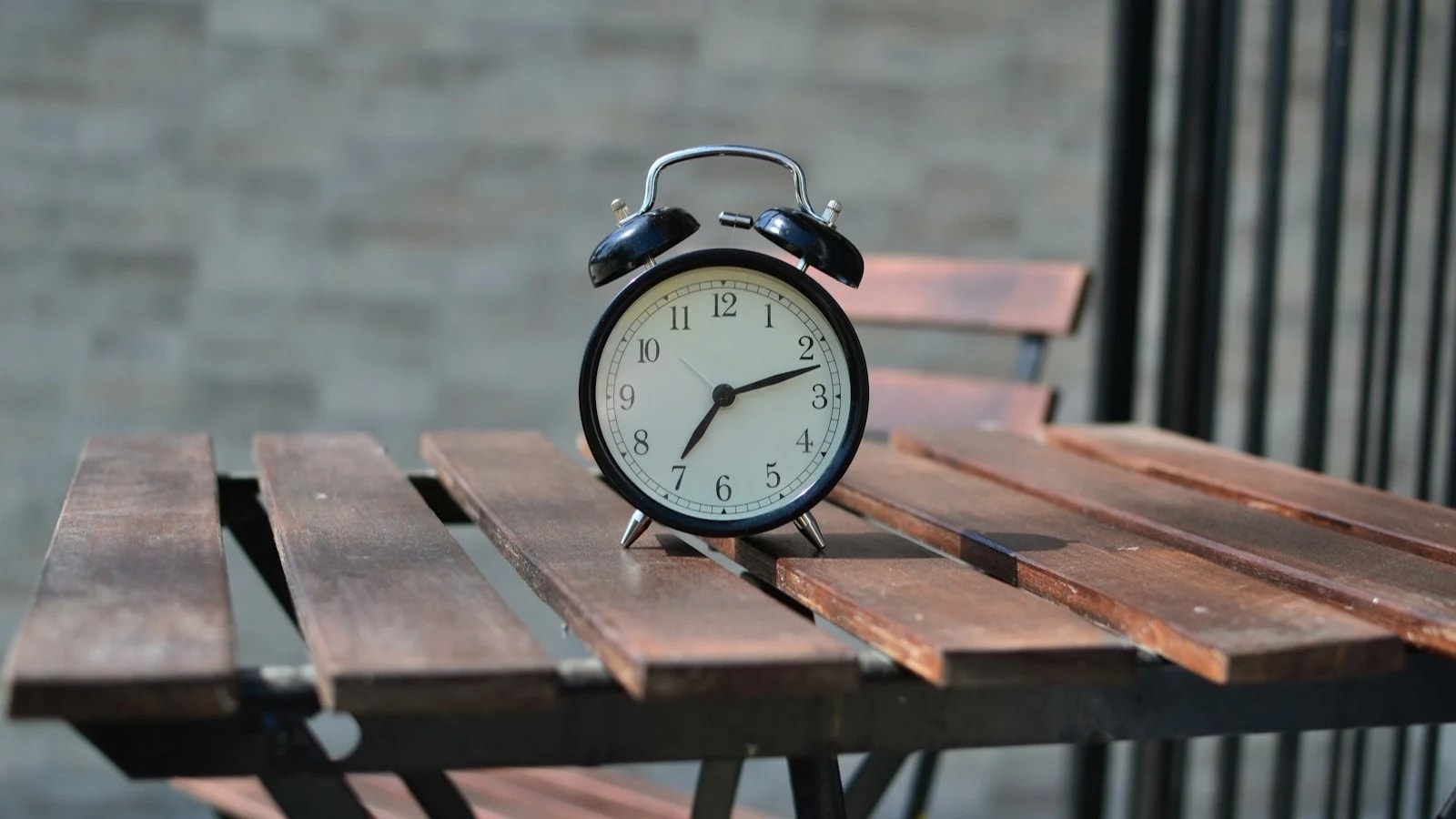

To wake up early, start with the night: go to bed earlier by the same amount you want to get up earlier, so you still sleep at least 7 hours. Then keep the same wake time every day, weekends included, get daylight soon after you get up and keep your phone out of the bedroom. Light and consistency move your body clock. A louder alarm doesn't.
Why waking up early feels so hard
Your body runs on an internal clock that decides when you feel sleepy and when you feel awake. If that clock is set to a late schedule, a 6 a.m. alarm lands in the middle of your biological night. That's why you can sleep through it, or wake up feeling like you haven't slept.
Light is the main thing that sets the clock. In one study, people spent a week camping with only natural light, no lamps or screens. Their internal night shifted to start around sunset and end just after sunrise, and the people with the latest clocks shifted the most (Wright et al., 2013). Modern life gives most of us too little daylight in the morning and too much artificial light at night, and both push the clock later.
So the goal is to move the clock. Forcing yourself out of bed at a time your body still treats as night rarely lasts.
How to wake up early: 8 steps
1. Pick a wake time and work back
The American Academy of Sleep Medicine and the Sleep Research Society recommend at least 7 hours of sleep a night for adults (Watson et al., 2015). Your bedtime follows from that.
Wake-up time | Asleep by (7 h) | Asleep by (8 h) |
|---|---|---|
5:00 a.m. | 10:00 p.m. | 9:00 p.m. |
5:30 a.m. | 10:30 p.m. | 9:30 p.m. |
6:00 a.m. | 11:00 p.m. | 10:00 p.m. |
6:30 a.m. | 11:30 p.m. | 10:30 p.m. |
7:00 a.m. | 12:00 a.m. | 11:00 p.m. |
"Asleep by" isn't the same as "in bed by". Turn the lights off a little earlier, since few people fall asleep the moment they lie down.
2. Move in steps or all at once, but move both times
You can shift gradually. For example, set the alarm 15 to 30 minutes earlier every few days and move your bedtime with it. Or you can jump: in a three-week trial, 22 night owls who usually slept from about 2:30 a.m. to 10:15 a.m. moved both bedtime and wake time 2 to 3 hours earlier. Their sleep shifted about two hours earlier with no loss of sleep, and they reported less stress and fewer depressive symptoms (Facer-Childs et al., 2019). It was a small study, but it shows the clock can move when light and routine move with it.
What doesn't work is moving only the alarm. You end up short on sleep, and the plan falls apart by Thursday.
3. Keep the same wake time every day
The AASM's first sleep habit is to get up at the same time every day, even on weekends or vacation (AASM). Sleeping in until 10 on Saturday pushes your clock later, and Monday's alarm feels like a small jet lag. If you need extra sleep, go to bed earlier on Friday instead of getting up later on Saturday.
4. Get daylight right after you wake up
Open the curtains, have breakfast by a window or, better, go outside for a few minutes. The night owls in the 2019 trial were told to get as much outdoor light as possible in the morning (Facer-Childs et al., 2019).
5. Dim the evening and put screens away
Limit bright light in the evening and turn off electronic devices at least 30 minutes before bed (AASM). In a lab study, people who read on a light-emitting tablet before bed took longer to fall asleep, released less melatonin, had a later body clock and were less alert the next morning than when they read a printed book (Chang et al., 2015).
6. Keep your phone out of the bedroom
In a survey of 844 adults, six in ten took their phone to the bedroom. Using it at bedtime was linked to worse sleep, more fatigue and, among younger adults, later wake-up times (Exelmans and Van den Bulck, 2016). It's a survey, so it shows a link and not a cause, but the fix costs almost nothing: charge the phone in the kitchen and use a cheap alarm clock.
Put the alarm across the room. If you have to stand up to turn it off, you're already halfway out of bed, and you don't start the day scrolling.
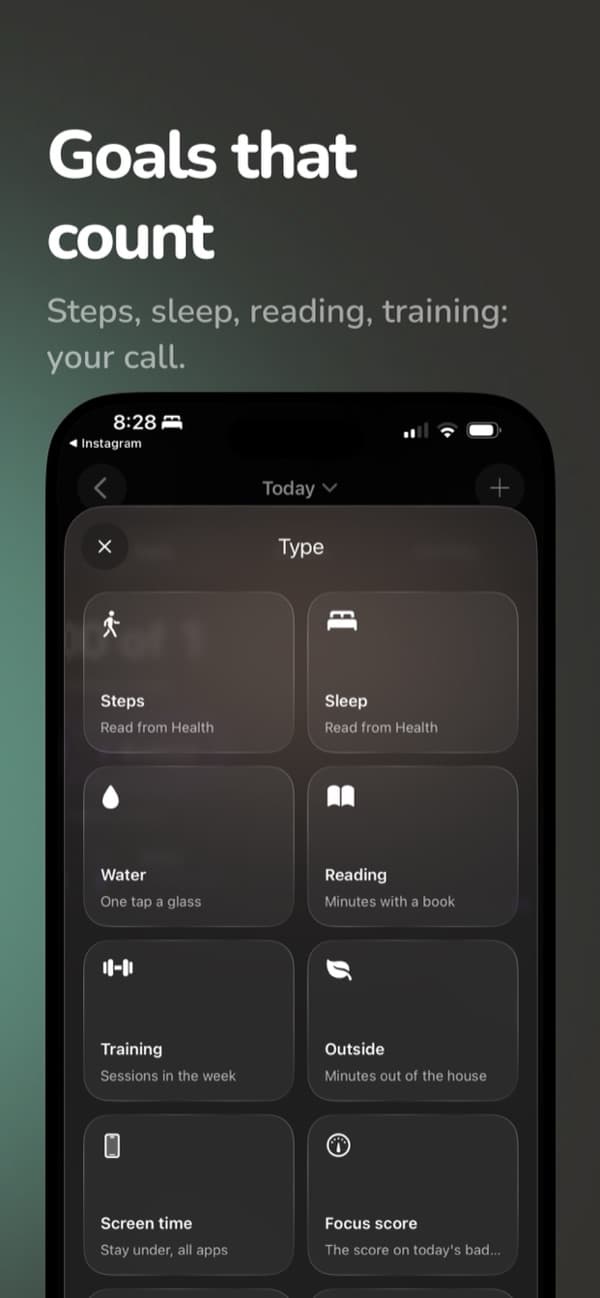
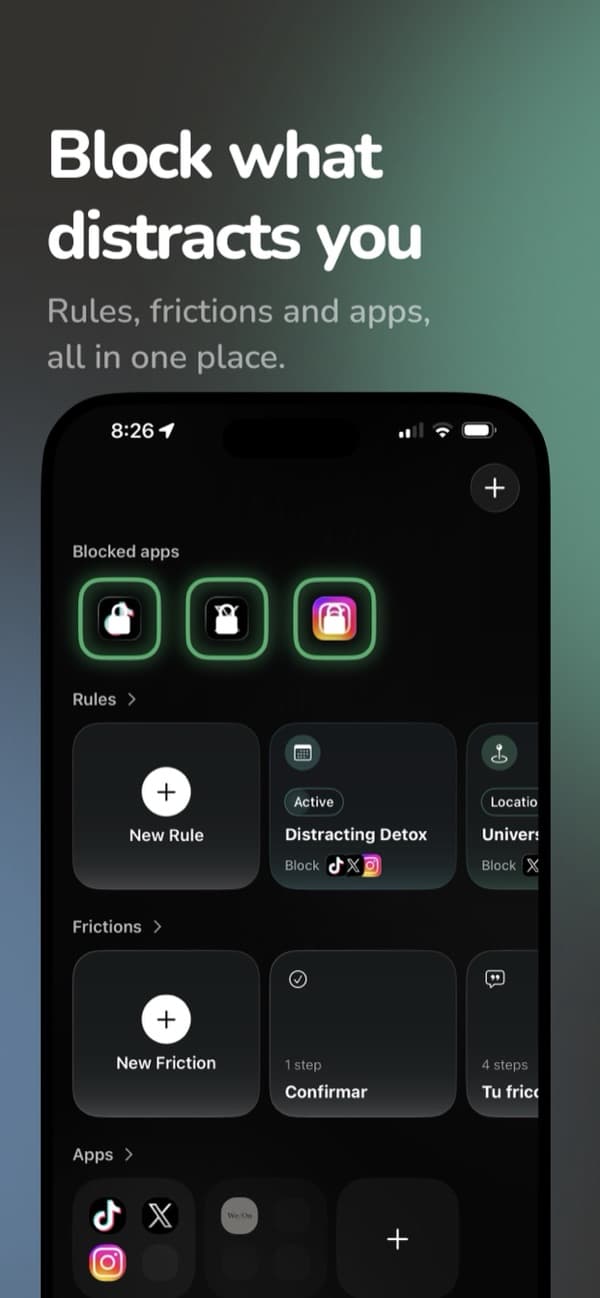
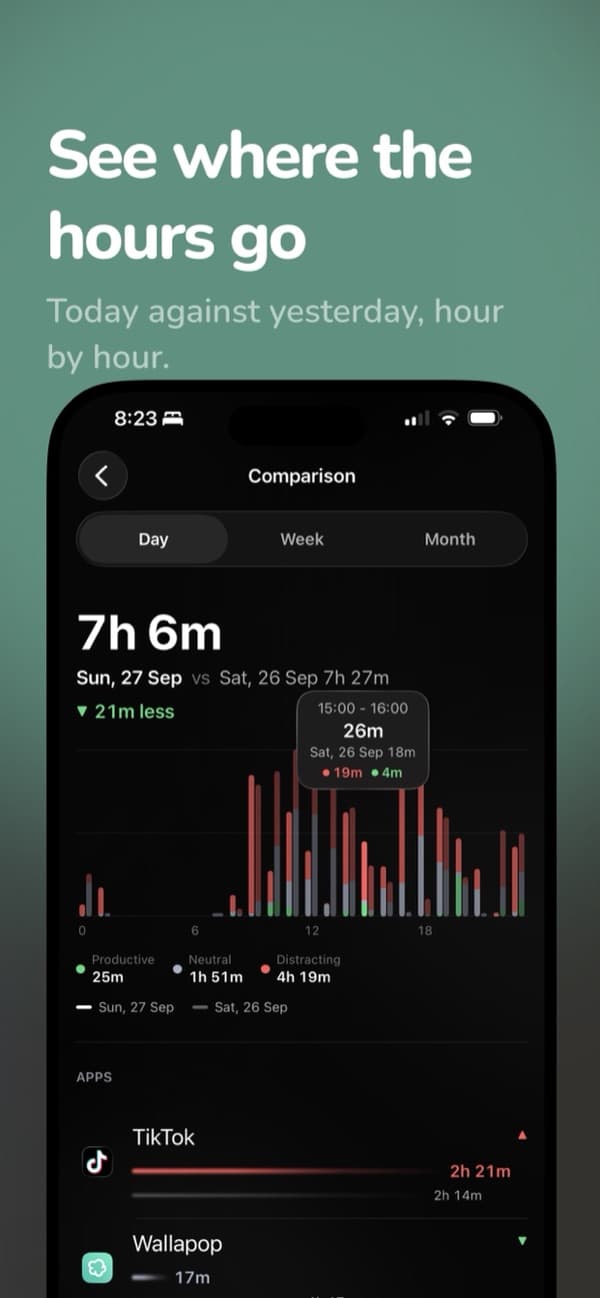

Lock the late-night scroll
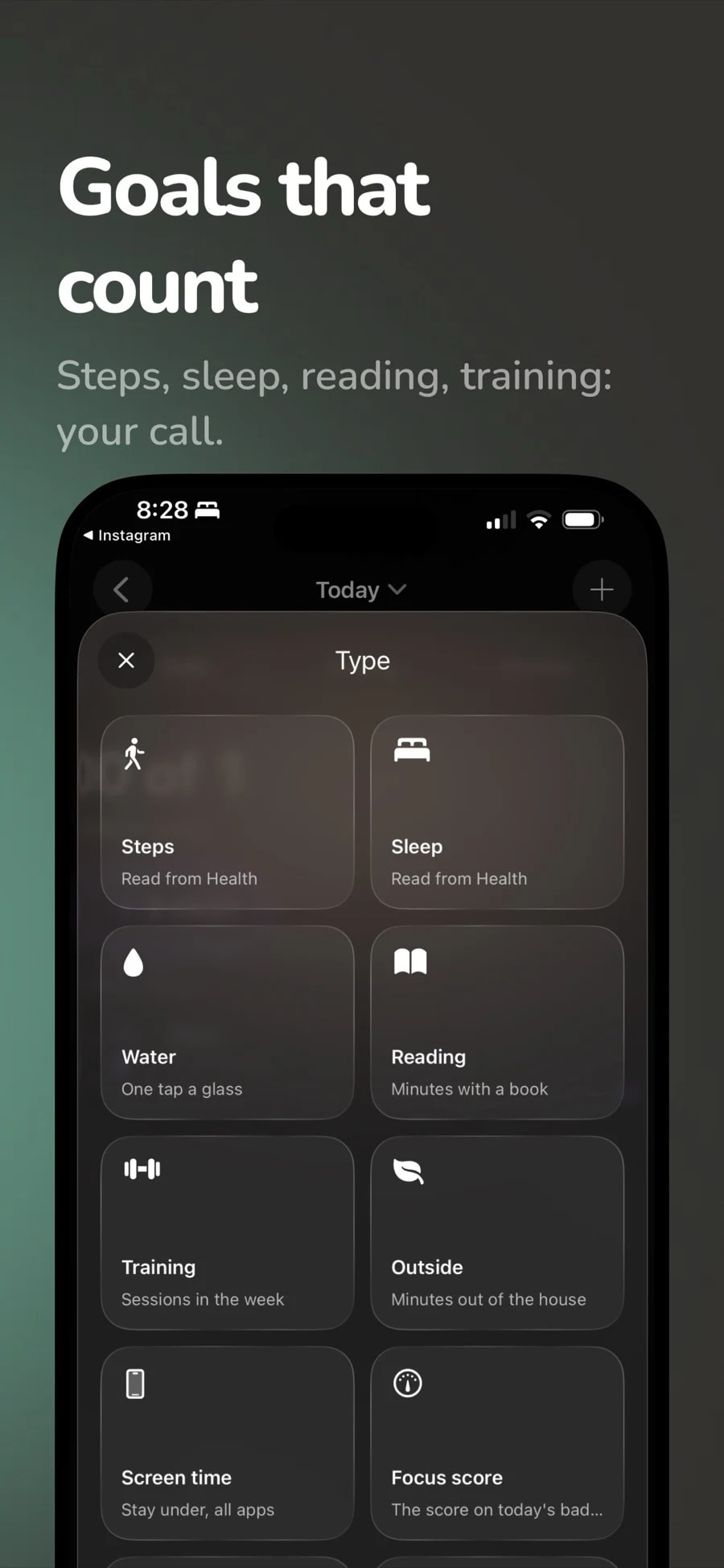
LockTy can lock the apps that keep you up after a set time and keep them locked until morning. Add a sleep goal read from Apple Health, or a few minutes outside, and the apps unlock once you've met it.
7. Watch caffeine and keep regular meals
Avoid caffeine in the afternoon and evening (AASM). In the night-owl trial, participants also ate breakfast soon after waking, had lunch at the same time each day and avoided dinner after 7 p.m. (Facer-Childs et al., 2019). Regular meals give your day more fixed points besides the alarm.
8. Give the morning a job
Decide the night before what the first 30 minutes are for: a workout, reading, a walk, quiet work before everyone else is up. Getting up early "to be productive" is vague. Getting up to run before work is a plan. If the hour has no purpose, it tends to go to the phone.
If you can't fall asleep earlier
Lying in bed awake for an hour makes the bed a place for frustration. The AASM advice is to get up if you haven't fallen asleep after 20 minutes and do something quiet with little light, without screens (AASM). Go back when you feel sleepy. Keep the wake time fixed anyway, even after a short night.
How long it takes
The night owls in the 2019 trial moved about two hours in three weeks. A smaller shift may settle sooner, a bigger one may take longer. Expect the first days to feel harder while your clock is still on the old schedule. A fixed morning routine also takes time to feel automatic, and the habit formation calculator gives a rough idea of how long. If waking up early is one of your New Year's resolutions, January is a good time to start, as long as you track it every day.
When to talk to a doctor
If you sleep 7 hours or more and still wake up exhausted, snore loudly, or can't fall asleep at a normal time no matter what you change, talk to a doctor. Insomnia, sleep apnea and circadian rhythm disorders are treatable, and none of them is fixed by a better alarm.
For most people, though, an earlier bedtime, morning light and a phone that sleeps in another room do most of the work. If the phone is what keeps you up, start with how to stop phone addiction.
Frequently asked questions
How can I wake up early without feeling tired?
Go to bed earlier by the same amount you want to wake up earlier, so you still get at least 7 hours, which is the minimum sleep experts recommend for adults. Keep the wake time fixed every day and get outside light soon after you get up.
Can you train yourself to become a morning person?
To a point, yes. In a three-week study, night owls who woke up and went to bed 2 to 3 hours earlier, got morning daylight and kept regular meal times moved their sleep about two hours earlier without sleeping less. The study was small, so treat it as a promising result, not a guarantee.
How do I wake up at 5 a.m.?
Work back from 5:00. For 7 hours of sleep you need to be asleep by 10 p.m., so lights out a little before that. Move toward that time over a week or two, keep 5:00 on weekends too, and put the alarm somewhere you have to stand up to turn it off.
Why is it so hard for me to wake up early?
Usually because the body clock runs later than the alarm. Evening light from screens and lamps pushes the clock later, and irregular sleep times make it worse. Fixing light and consistency tends to help more than a louder alarm.
Is it bad to sleep with your phone next to your bed?
In a survey of 844 adults, using the phone at bedtime and after lights out was linked to worse sleep quality, more fatigue and, in younger adults, later wake-up times. A survey can't prove cause, but moving the phone out of reach is an easy change.
LockTy
Lock the apps that distract you and unlock them by meeting your daily goals: steps, sleep, reading or training.
Sources
- Watson NF, Badr MS, Belenky G, et al. (2015). Recommended amount of sleep for a healthy adult: a joint consensus statement of the American Academy of Sleep Medicine and Sleep Research Society. Sleep 38(6):843–844.
- American Academy of Sleep Medicine. Healthy sleep habits. Sleep Education.
- Wright KP Jr, McHill AW, Birks BR, Griffin BR, Rusterholz T, Chinoy ED (2013). Entrainment of the human circadian clock to the natural light-dark cycle. Current Biology 23(16):1554–1558.
- Facer-Childs ER, Middleton B, Skene DJ, Bagshaw AP (2019). Resetting the late timing of 'night owls' has a positive impact on mental health and performance. Sleep Medicine 60:236–247.
- Chang AM, Aeschbach D, Duffy JF, Czeisler CA (2015). Evening use of light-emitting eReaders negatively affects sleep, circadian timing, and next-morning alertness. PNAS 112(4):1232–1237.
- Exelmans L, Van den Bulck J (2016). Bedtime mobile phone use and sleep in adults. Social Science & Medicine 148:93–101.

About the author
22, software developer and founder based in Madrid.
I'm Gabriel, I'm 22 and I live in Madrid. I write software, build my own products and I'm into maths, sport and fashion. Among other things I make three iPhone apps, Creatinely, LockTy and RepZet, and here I write about training, creatine and the small daily habits that add up. I also build apps and software for B2B clients as an independent developer. If you want to work together, write to me.
This is general information, not medical advice. Talk to a professional about your own situation.
Keep reading
Morning Routine: A Simple Plan That Starts Without Your Phone
A good morning routine is short, happens at the same time daily and starts before your phone. A 10, 30 and 60 minute version, plus how to make it stick.

How to Be Disciplined: Avoid Temptation Instead of Fighting It
Disciplined people resist temptation less often because they set up their days to avoid it. Here's how to do the same: 8 steps, an example week and research.

Dopamine Detox: What It Gets Right and What It Gets Wrong
A dopamine detox can't lower or reset your dopamine. The useful part of the trend is cutting easy, high-reward habits at set times and getting used to boredom.

How to Set Daily Goals You Can Keep: 7 Steps and Examples
Set 3 to 5 daily goals you can measure, tie each to a time and place, and tick them off the same day. Here's how, with examples for steps, sleep and reading.

How to Stop Procrastinating: 10 Steps That Work When Willpower Doesn't
To stop procrastinating, make the first step tiny, decide in advance when and where you'll start, and keep your phone out of reach while you work.
How to Stop Phone Addiction: 9 Changes That Beat Willpower
Use your phone less by changing your setup, not your willpower: fewer notifications, distracting apps locked at set times and the phone out of the bedroom.