Pomodoro Technique: How It Works, Does It Help and How to Make It Stick
 Gabriel SánchezPublished
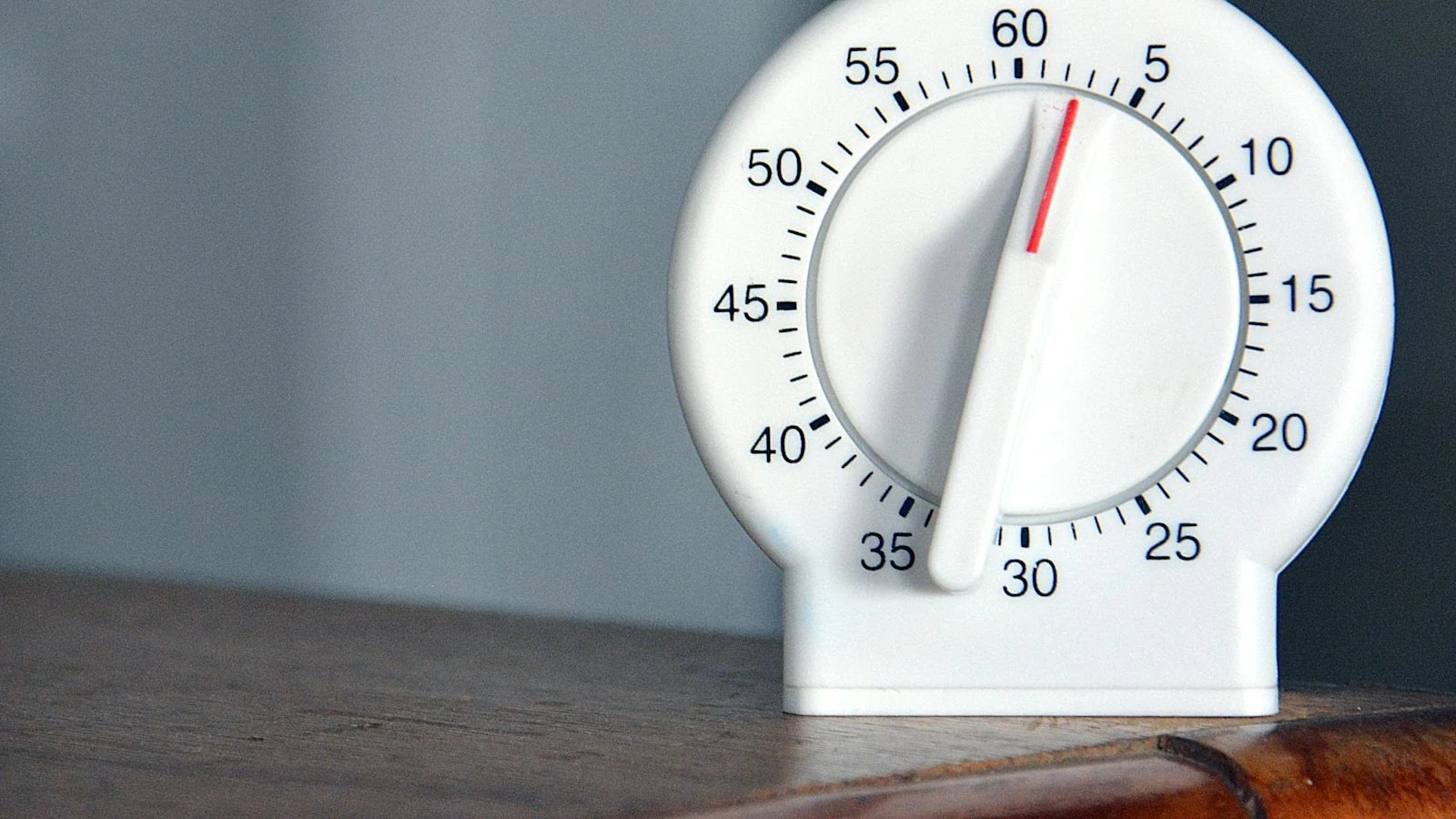

The Pomodoro Technique is a way to work in short, focused blocks. You pick one task, set a timer for 25 minutes and work only on that task until it rings. Then you take a short break, usually about 5 minutes. After four of these blocks, called pomodoros, you take a longer break before starting again.
Where it comes from
Francesco Cirillo started developing the method in the 1980s as a university student, using a tomato-shaped kitchen timer to focus for short periods. Pomodoro is Italian for tomato. In his version, the timer is only the start. The full method also includes planning the day's tasks, estimating how many pomodoros each one takes, writing down interruptions and reviewing what happened (Cirillo, official site). Pomodoro® is a registered trademark of Francesco Cirillo.
How to do the Pomodoro Technique
- Choose one task. Write it down. If it's big, break it into pieces that fit in one or two pomodoros.
- Set the timer for 25 minutes. A kitchen timer, your watch or an app. If you use your phone, keep it out of reach.
- Work on that task only. If something else pops into your head, write it on a piece of paper and go back to the task.
- Stop when the timer rings. Put a tick next to the task.
- Take a short break. About 5 minutes, away from the screen if you can.
- After four pomodoros, take a longer break. Usually 15 to 30 minutes. Break lengths vary a little between versions of the method, so adjust them to how tired you feel.
A pomodoro is indivisible: if you stop halfway to do something else, that one doesn't count, and you start a new one when you're back.
A sample morning
This is an example schedule for one full cycle of the classic version.
Time | Block |
|---|---|
9:00–9:25 | Pomodoro 1 |
9:25–9:30 | Short break |
9:30–9:55 | Pomodoro 2 |
9:55–10:00 | Short break |
10:00–10:25 | Pomodoro 3 |
10:25–10:30 | Short break |
10:30–10:55 | Pomodoro 4 |
10:55–11:20 | Long break |
That's 100 minutes of focused work in about two hours and twenty minutes.
Does it work? What the research says
There isn't much research on the Pomodoro Technique itself, but what exists is encouraging.
- Fixed breaks vs. your own breaks. In a study of 87 Dutch university students during a day of self-study, some took a 6-minute break after every 24 minutes, some a 3-minute break after every 12 minutes, and some chose their own breaks. The students who chose their own breaks studied in longer stretches and reported more fatigue and distraction and less concentration and motivation. All groups completed a similar amount of work, but the fixed-break groups did it in less time (Biwer et al., 2023).
- Short breaks in general. A meta-analysis of 22 study samples found that breaks of 10 minutes or less slightly increased energy and reduced fatigue. The effect on performance overall wasn't significant, and longer breaks helped performance more (Albulescu et al., 2022).
- The wider literature. A 2025 scoping review found 32 studies on the technique, and most reported positive results. Only three were randomized trials, though, and most were observational, so the evidence is still thin (Ogut, 2025).
So structured breaks seem to help you feel less drained without lowering how much you get done. The research doesn't show that 25 minutes is a magic number.
Pomodoro variations
Version | Work | Break | Good for |
|---|---|---|---|
Classic | 25 min | ~5 min, longer after 4 | Getting started, admin, studying |
Short | 12 min | 3 min | Days when starting at all is the problem |
Long | 50 min | 10 min | Writing or coding once you're in the flow |
The 12/3 and 24/6 splits are the ones tested in the study above. The 50/10 version is common but hasn't been tested in the same way, so try it and see how you feel at the end of the day.
Mistakes that ruin it
- Checking the phone during the pomodoro. It breaks the block, and having the phone in sight costs attention even when you don't touch it. People scored lower on attention tests with their own phone on the desk than with it in another room (Ward et al., 2017).
- Spending the break on a feed. Five minutes on social media rarely stays five minutes. Choose a break you can end easily.
- Skipping breaks when you're on a roll. The break is part of the method. If you keep skipping it, try longer blocks instead.
- Starting without a task. Decide what the pomodoro is for before you start the timer.
- Treating every interruption as an emergency. Write it down and deal with it in the next break unless it really can't wait.

Lock the apps during the block
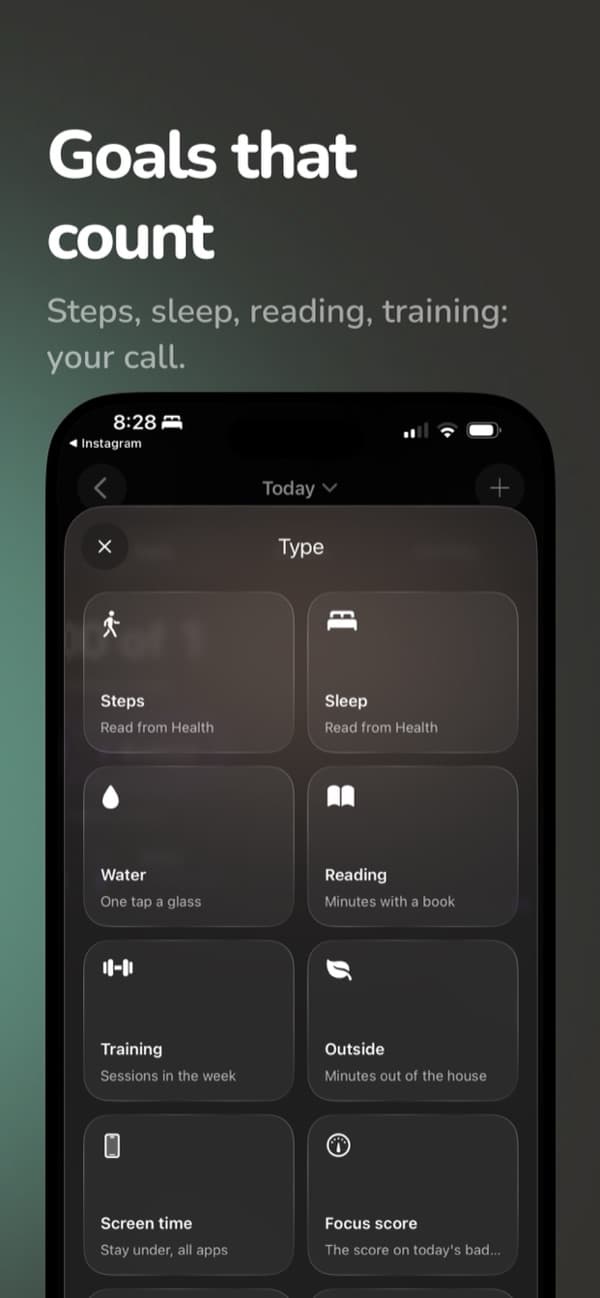
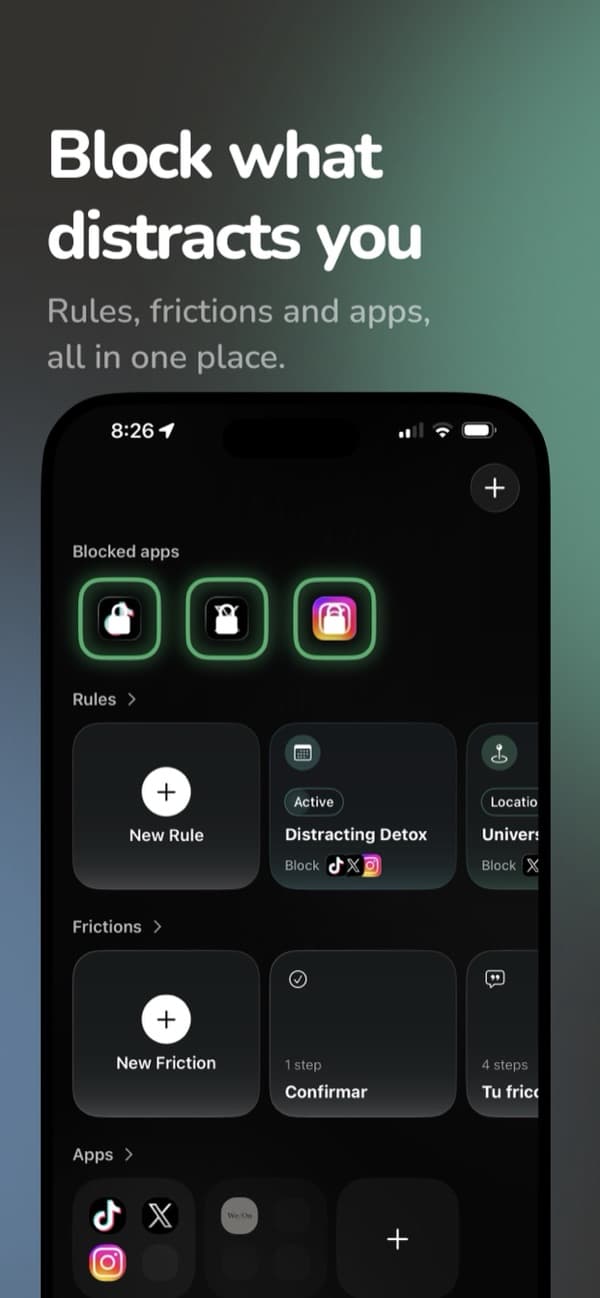
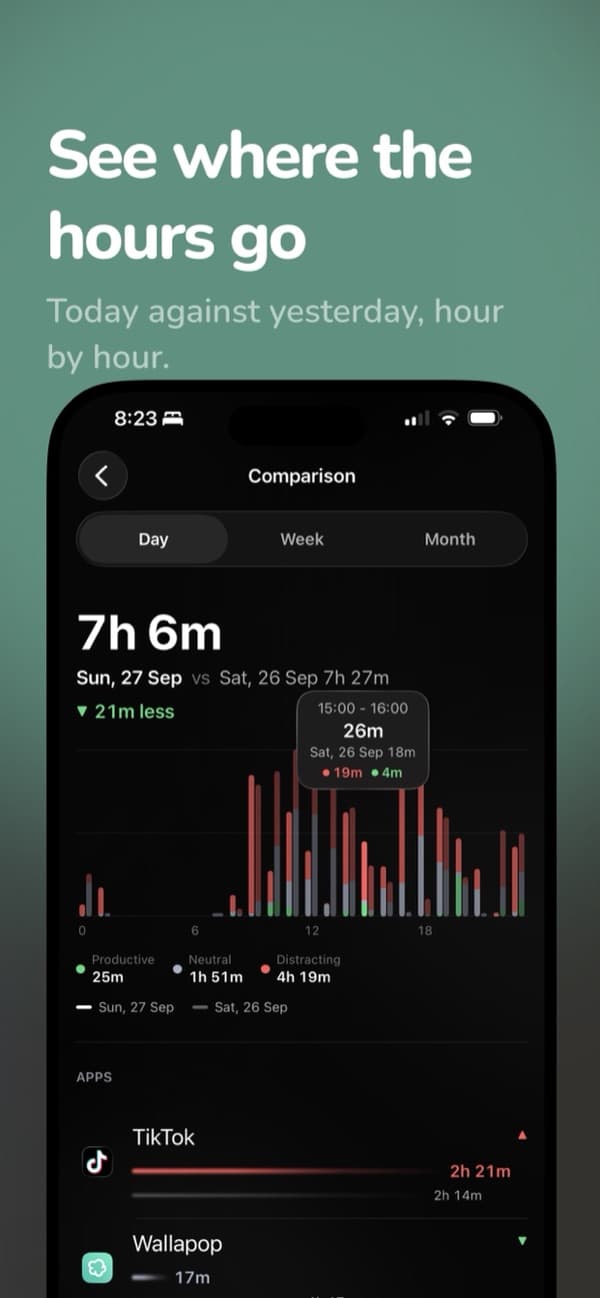
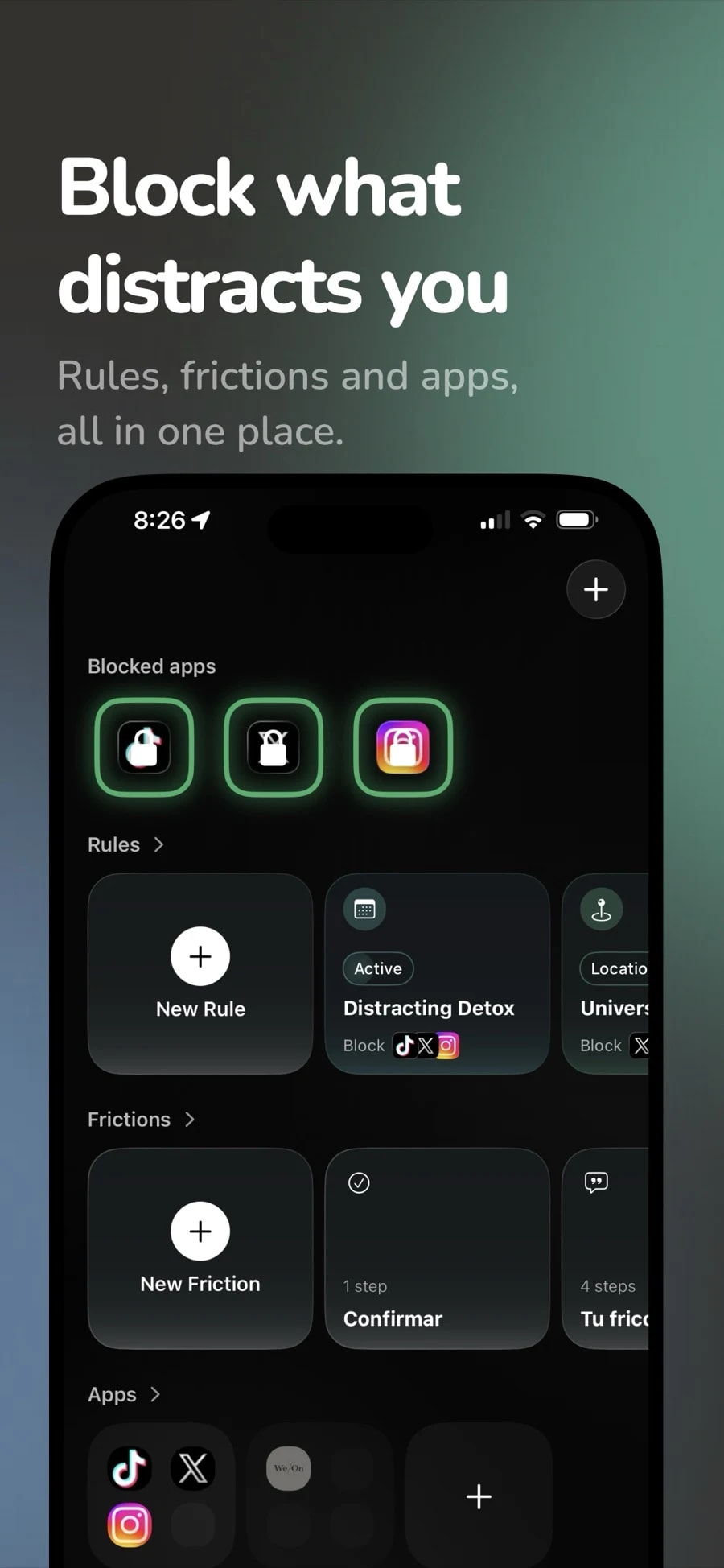
LockTy blocks the apps you choose during the hours you set, so the phone can't pull you out of a pomodoro. You can also tie your apps to daily goals, like reading or focus time, and they unlock once you meet them.
Using it for studying
Pomodoros fit studying well because a chapter or a problem set breaks easily into 25-minute pieces. Plan before you sit down: "Pomodoro 1: summarize section 3. Pomodoro 2: do exercises 1 to 5." Use the long break for food or a walk, not for a second screen.
If your problem is getting started at all, start with the 12-minute version, or read our guide on how to stop procrastinating. If the phone is what keeps breaking your blocks, see how to stop phone addiction or our comparison of the best app blockers for iPhone.
Frequently asked questions
What is the Pomodoro Technique?
A time management method created by Francesco Cirillo in the 1980s. You work on one task for 25 minutes (one pomodoro), take a short break, and after four pomodoros take a longer break. The name comes from the tomato-shaped kitchen timer he used.
Does the Pomodoro Technique actually work?
The evidence is limited but positive. In a study of 87 university students, those who took fixed breaks reported less fatigue and better concentration than students who decided their own breaks, and they finished a similar amount of work in less time. Most other studies are small or observational.
Is 25 minutes too short?
It can be for deep work like writing or coding once you're warmed up. Many people keep the structure and stretch the blocks to 40 or 50 minutes. The studies so far tested short blocks, so treat longer ones as something to try and adjust.
What should I do during a Pomodoro break?
Something that rests your attention: stand up, walk, drink water, look out of the window. Avoid starting anything you'll struggle to stop after five minutes, like a social feed or a new email thread.
Is the Pomodoro Technique good for ADHD?
Some people with ADHD find short blocks with a clear end easier to start, but there are no good trials on Pomodoro for ADHD specifically. If you have ADHD, use it as one tool alongside the treatment and advice of your doctor or psychologist.
How many pomodoros should I do a day?
There's no set number. Count how many you actually finish on a normal day for a week, then plan your days around that number instead of an ideal one.
LockTy
Lock the apps that distract you and unlock them by meeting your daily goals: steps, sleep, reading or training.
Sources
- Cirillo F. What is the Pomodoro® Technique? pomodorotechnique.com (official site of the method's creator).
- Biwer F, Wiradhany W, oude Egbrink MGA, de Bruin ABH (2023). Understanding effort regulation: comparing 'Pomodoro' breaks and self-regulated breaks. British Journal of Educational Psychology 93(S2):353–367.
- Albulescu P, Macsinga I, Rusu A, Sulea C, Bodnaru A, Tulbure BT (2022). "Give me a break!" A systematic review and meta-analysis on the efficacy of micro-breaks for increasing well-being and performance. PLOS ONE 17(8):e0272460.
- Ogut E (2025). Assessing the efficacy of the Pomodoro technique in enhancing anatomy lesson retention during study sessions: a scoping review. BMC Medical Education 25:1440.
- Ward AF, Duke K, Gneezy A, Bos MW (2017). Brain drain: the mere presence of one's own smartphone reduces available cognitive capacity. Journal of the Association for Consumer Research 2(2):140–154.

About the author
22, software developer and founder based in Madrid.
I'm Gabriel, I'm 22 and I live in Madrid. I write software, build my own products and I'm into maths, sport and fashion. Among other things I make three iPhone apps, Creatinely, LockTy and RepZet, and here I write about training, creatine and the small daily habits that add up. I also build apps and software for B2B clients as an independent developer. If you want to work together, write to me.
This is general information, not medical advice. Talk to a professional about your own situation.
Keep reading

How to Stop Procrastinating: 10 Steps That Work When Willpower Doesn't
To stop procrastinating, make the first step tiny, decide in advance when and where you'll start, and keep your phone out of reach while you work.

How to Set Daily Goals You Can Keep: 7 Steps and Examples
Set 3 to 5 daily goals you can measure, tie each to a time and place, and tick them off the same day. Here's how, with examples for steps, sleep and reading.
Best App Blocker for iPhone in 2026: Screen Time, Opal, one sec, Jomo and LockTy Compared
Screen Time is free and enough if you rarely tap Ignore Limit. If you do, a blocker adds friction. What Opal, one sec, Jomo, AppBlock and LockTy do and cost.
What Is Monk Mode? A 30-Day Plan That Starts With Your Phone
Monk mode is a set period, often 30 to 90 days, to cut distractions and focus on one or two goals. Start with your phone and rules you decide in advance.
How to Stop Phone Addiction: 9 Changes That Beat Willpower
Use your phone less by changing your setup, not your willpower: fewer notifications, distracting apps locked at set times and the phone out of the bedroom.